Cassandra Kulukundis tells us about her long search for the cast of ‘One Battle After Another’ and what she wants to see in auditions.
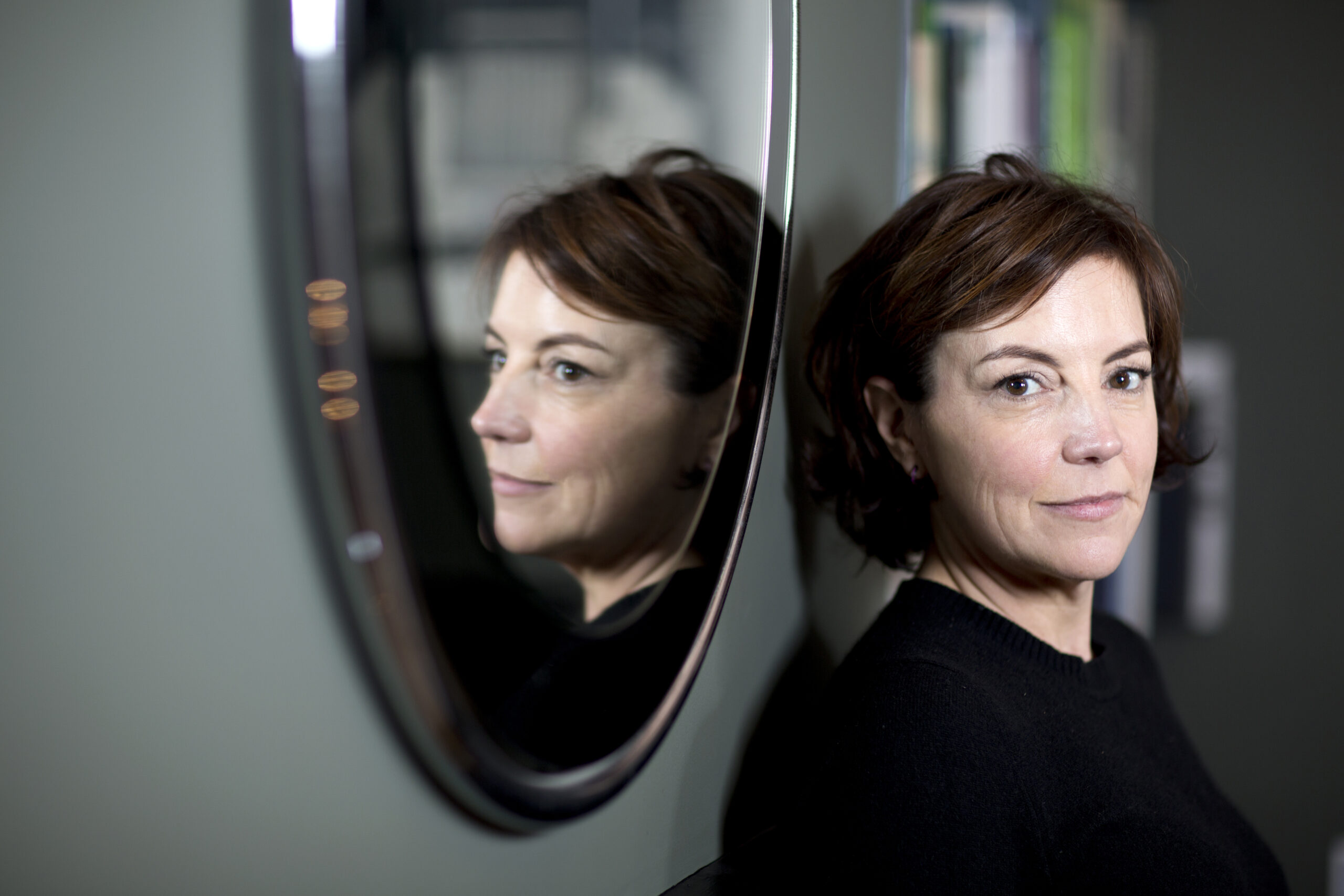
Casting director Cassandra Kulukundis has been a trusted collaborator of Paul Thomas Anderson for over two decades. Their collaboration began with 1999’s Magnolia and has continued through to his latest feature, One Battle After Another.
Across her career, her taste and eye have helped shape a wide range of films, from Spike Jonze’s Her and David Mamet’s Spartan to Brady Corbet’s Vox Lux and The Brutalist.
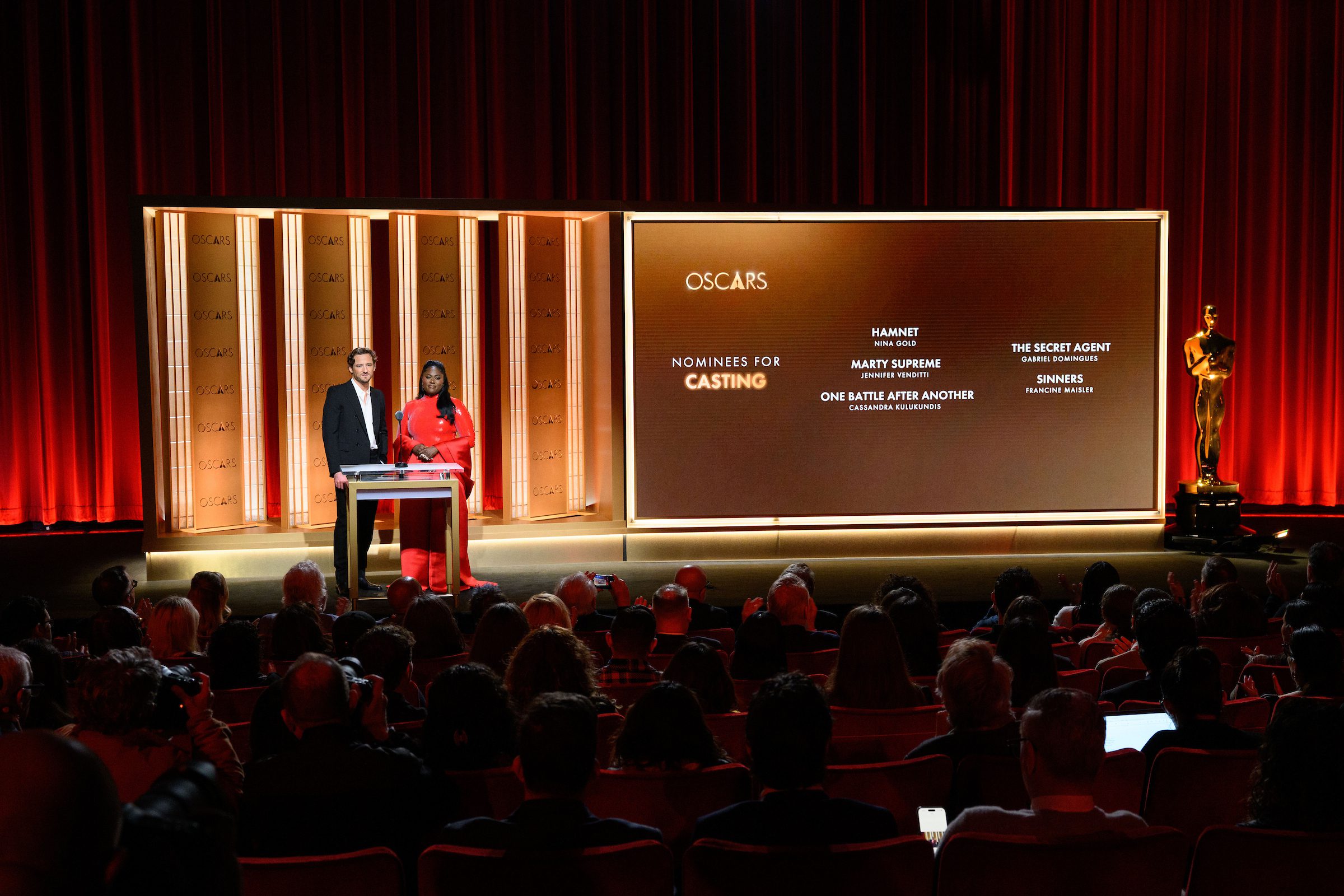
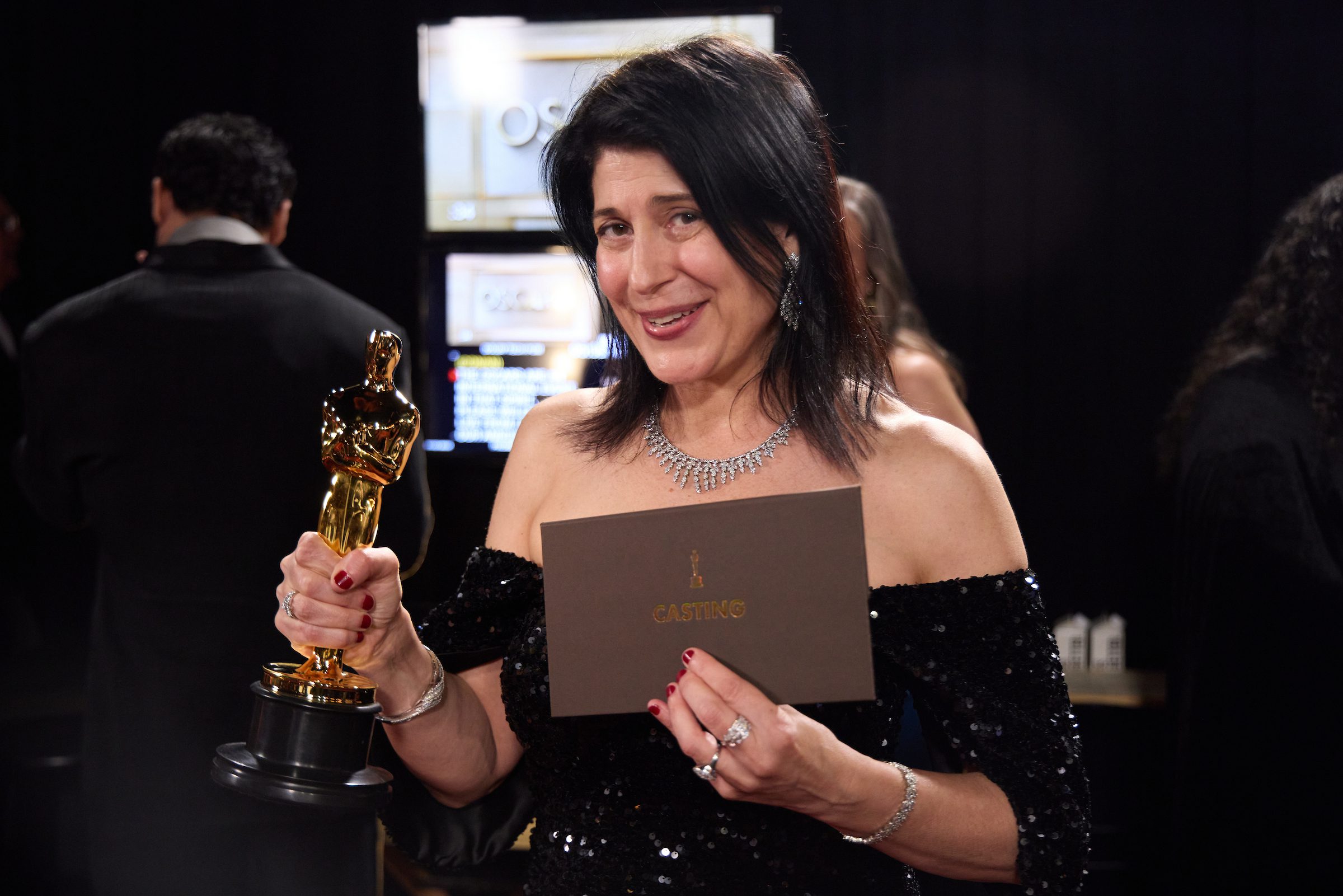
So far, One Battle After Another has won six Academy Awards, six BAFTAs and four Golden Globes, picking up the best film category at each ceremony. Cassandra’s craft putting together the cast for the film saw her win the inaugural Best Casting award at the Oscars, which she dedicated to “all the casting directors who never got a chance to get up here, who didn’t even get a chance to get their name on the movie.”
Before becoming the first Achievement in Casting Oscar winner, we spoke to Cassandra about her long casting process for One Battle After Another, finding Chase Infiniti and Teyana Taylor, and her top audition tips for actors.
Cassandra’s Insights:
- Actors should fully prepare for auditions but stay flexible in the room, ready to take direction and explore different choices.
- For self-tapes, actors must convincingly perform even without a scene partner and use the opportunity to showcase their range through experimentation.
- Building genuine, natural interactions with people on set can enhance performance, so actors should be open to adapting within authentic environments.
Hi, Cassandra! When did ‘One Battle After Another’ first come your way?
I first heard about it after our work on Phantom Thread, when Paul [Thomas Anderson] told me what I should be keeping an eye out for for the next one. We almost moved forward on it and then stopped. Then we almost went again and stopped. But I started actively reading people in 2017 and continued to do so in my spare time until we were finally up and going in 2023.
What did those early searches look like?
The original script had a lot more fighting in it, so I was going to martial arts studios and watching tournaments. I was harassing everyone I met about mixed heritage girls who could kickbox. I opened it up to gymnastics and dance as well, which is how Chase [Infiniti] came to me. I wanted to get a great actor, so it didn’t matter to me if they could fight. I wanted to get them early so we could train them.
How did those early contenders evolve over time?
I had four or five real contenders back then. But they semi-aged out. One decided she wasn’t interested anymore. A couple of them were too young – 12 or 13 at the time. But I checked on them again when they were more the right age. It was a fascinating process. I turned over every single stone that fit the DNA profile for this character.
When was the moment you knew Chase Infiniti was ‘Willa’?
With Chase, she was still in college when I first saw one of her tapes, so she was earmarked. But I didn’t want to audition anyone until I knew the movie was actually going. After Licorice Pizza, Paul said we’d be working on it next. By that time, Chase had graduated and got a job (Presumed Innocent, opposite Jake Gyllenhaal).
The moment I saw her move, I was like, “I can work with this.” Then she sent a tape, and I was like, “This is it.” I was ready to take her all the way to the end. Then we threw her in opposite Leo… and she kept rolling with the punches, and that’s what Willa has to also do in the film.
Teyana Taylor is known for being a musician, but in the last few years, we’ve seen her take on some acting roles, including ‘A Thousand and One’. How did she come into the process?
Anyone who saw Teyana in A Thousand and One knew she was a serious player and ready to start an acting career. In that role, you could tell she was ready to commit. For the role of ‘Perfidia’, I read hundreds of people. So many that I’m afraid of how many might come out of the woodwork and say that they read! And Teyana was one who definitely read.
Teyana is a force. After she read, we kept finding ourselves wanting other people to read like her. That says everything right there.
And once she was on set?
With Teyana, you get out of her way. Take after take, she gave so much material. We were like, “How are we going to choose?” She’s also one of the most entertaining, fun human beings. With her, there is never a bad day on set. There was nothing we could throw at her that she couldn’t handle.
This film makes strong use of real community members in supporting roles. How do you find those people?
The day players create the world. We want the towns we shoot in involved with us. I travel with the production as much as I can. I get in with the community, meet almost everybody, and then figure out who can handle saying some lines and who can handle not just looking at the camera. I get inquiries about the jail nurse all the time, because she is so good in the movie. But she’s literally a real jail nurse. Everyone you see on screen has been seriously vetted to make the film feel real.
What was the most challenging role to cast?
‘Tim Smith’ took a lot of energy to cast. There were specific boxes Paul wanted to check off for him. I read so many types of people, from actors with military backgrounds, to real military people, to actors whose parents are in the military.
How did John Hoogenakker come into the picture?
He was a total out-of-the-box idea. Not at all what I was told to look for. But when he read, his first take, I was like, “I love you so much. Thank you. You have no idea!” That was a hard one.
‘Avanti’ isn’t a big role on the page, but it’s a role that goes through a lot in the brief time on screen.
‘Avanti’ was also challenging because he had to be different things. There is that switch the character makes from, “I’m going to take this girl and let her get murdered,” to, “No, I’m not.”
When Eric Schweig read, there was something scary about him, but also so much soul in him. I hadn’t seen Eric in a while, and bringing him in was just a random idea I had. It was hard to track him down, though. He was literally somewhere North of Nova Scotia in a place with no Wifi, and I was trying to read with him with 10 seconds of availability!
Are you and Paul usually in sync when it comes to making casting choices?
If I really feel like an actor is the one, he agrees with me. I never think someone is ‘good enough’ for a role. I’m not a ‘good enough’ person, and neither is Paul. Even after eight months of looking for a role, we’re always like, “We can do better.” It’s not about judging the actor. It’s about the character. We’re making a quilt, and each patch informs the next, which is also why I like to cast in a certain order. I think it’s hard to throw a bunch of offers out to many different roles when you don’t know who’s going to play what.
What was the order on this film?
When I started, there was nobody. Then ‘Bob’ (Leonardo DiCaprio) came, then we were doing the ‘Willa’ search, then ‘Lockjaw’ (Sean Penn) was set. And during the ‘Willa’ search, we started getting close to getting ‘Perfidia’ (Teyana Taylor). Then I knew who Willa’s parents were. It was like that all the way down.
How do you build your database of actors?
I am constantly collecting people. I don’t even mean to. When I’m not working actively in Los Angeles, I’m in New York and going to the theatre, off-Broadway, Broadway, all the shows. I watch everything. I see every single movie in the theatre. So even if someone is playing the waiter, and the movie could be terrible, if that waiter is really good, I will look them up.
Even if the only line that waiter has is, ‘Would you like some water?’
Those one or two-line roles can be the hardest to cast because it’s very hard to just jump into a scene. It’s like Double Dutch – you’ve got to jump in and start doing tight jump ropes. But jumping in is the hard part.
What kind of advice can you give to actors when they come in to audition for you?
Find your own thing and don’t force anything. No one’s going to be Sean Penn, so don’t try to be Sean Penn. Be your own thing.
Do all your homework, whatever that process is. Then, once you walk in the room, throw it away. You’ve done that work, now listen to what I say, how I feed you the line, and give it back. No matter what, I’m going to take you in a different direction just to see your range and what else you can do.
Don’t be too married to doing it only one way. But at the same time, you definitely have choices.
Can you share a time when an actor surprised you in their approach to a self-tape?
This one actress sent me a tape one time. It took me maybe seven or eight lines to realise she wasn’t reading with anybody. She was that good that she made those lines sound like somebody else was responding. So be ready to work with nobody. Work with the wall. If you do have somebody to work with, try some stuff. Experiment. Because then I get to know you better. It’s not like there’s a trap door underneath you, and if you did it wrong, it opens!
Key Takeaways:
- Prepare thoroughly, but be ready to throw your work away and follow the casting director’s direction in the moment.
- Use self-tapes to showcase your range by experimenting and acting as if you have a scene partner, even when you don’t.
- Don’t try to imitate others. Find your own unique approach and bring authenticity to every audition.
- Embrace opportunities to work with real people on set to add natural texture and depth to your performance.
- Stay patient and persistent. Casting is a process of finding the exact fit, and every role informs the next.
Thank you, Cassandra, for sharing your experience on ‘One Battle After Another’ with us!
Take a look at our website for more interviews and advice from casting directors.