
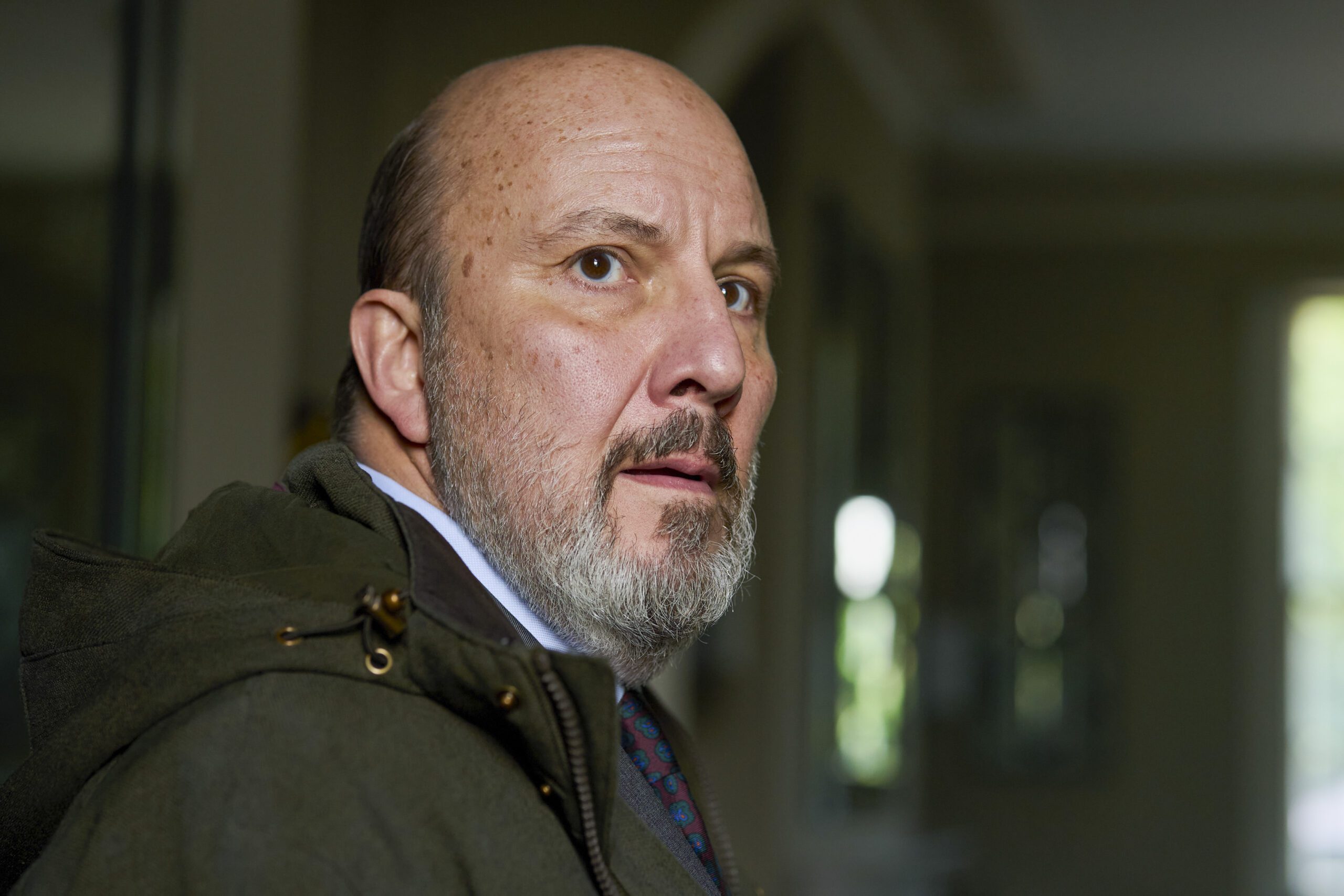
‘The Night Manager’ star Paul Chahidi shares vital insights on career longevity and creative collaboration.
In this exclusive interview, we met with the versatile Paul Chahidi to discuss a career that has spanned over thirty years. From his early days at school to his recent role as ‘Basil’ in the second series of BBC hit drama, The Night Manager, Paul reflects on the teachers and directors who shaped his path. He offers a fascinating look into how his Iranian-British heritage and a love for storytelling have underpinned his journey from the London stage to international film and television.
Paul discusses the changing landscape of the industry, the importance of protecting one’s mental health and the practical steps actors can take to stay proactive during quiet periods. His perspective is a reminder that success in this profession is often about resilience, preparation and the ability to remain open to the unexpected.
What you’ll learn from this interview:
- The importance of staying proactive and creating your own work during quiet periods.
- How to balance thorough preparation with the flexibility required in a collaborative rehearsal room.
- Why viewing an acting career as a marathon rather than a sprint leads to long-term success.
- The value of embracing your unique identity and trusting that you are always enough.
Paul Chahidi’s Acting Career
Since joining Spotlight in 1994, Paul has built a remarkably diverse body of work across stage and screen with notable productions including the all-male Twelfth Night (alongside Mark Rylance and Stephen Fry), Arabian Nights and Phaedra at the National Theatre. On screen, he’s widely recognised for his roles in the hit comedy This Country, Armando Lannucci’s The Death of Stalin and most recently, the high-stakes world of The Night Manager.
From the Classroom to National Treasure
Paul Chahidi’s ascent to becoming a mainstay of British drama began not with a singular grand ambition but through the encouragement of key mentors who recognised his potential early on. The initial spark was ignited in an English classroom by his teacher, Simon Elliot, who transformed the study of Henry IV from a sedentary reading exercise into a live performance, an experience that resonated deeply with the then-shy student.
This interest was later solidified at university when director Clare Venables prompted him to view his talent through a professional lens, urging him to take the craft seriously and pursue formal training at drama school.
Underpinning this journey is Paul’s rich bilingual Iranian-British heritage; he credits the vibrant storytelling traditions, poetry and literature of both cultures as the essential foundation for his lifelong passion for the arts.
The Acting Process
Paul describes his acting process as a disciplined blend of rigorous preparation and fluid collaboration, built on the foundation of early line literacy. By committing his dialogue to memory well in advance, he effectively gets the mechanical work out of the way, allowing him to enter the rehearsal room with a sense of freedom.
Rather than clinging to rigid preconceived notions, he advocates for a state of openness, staying ready to drop his initial ideas in favour of what the director and his fellow actors bring to the table. This collaborative approach is mirrored in his professional philosophy, which treats an acting career as a test of stamina rather than a sprint.
Paul attributes his three-decade longevity in the industry to this slow and steady mindset, noting that his gradual start provided him with the resilience and endurance necessary to navigate the profession for 31 years.
Paul’s Advice for Actors
Paul offers practical and soulful advice for those navigating the “tougher” modern landscape of the industry:
- Be Proactive: “Anything that militates against sitting at home waiting for the phone to ring.” He suggests writing your own projects and collaborating with friends.
- Self-Care: Prioritise vocal warm-ups, physical health and mental wellbeing. “Feed your soul” by visiting art galleries and reading.
- The “Enough” Philosophy: His most poignant piece of advice is to trust in your own uniqueness.
Whether you are just starting out or have been in the industry for years, Paul’s journey serves as a powerful testament to the value of patience and persistence. By focusing on your craft and maintaining a life outside of the audition room, you can build a career that is as sustainable as it is rewarding.
Take a look at our website for more interviews and advice from casting directors.