
Lauren McCrostie’s expert advice for all young performers’ first time on set.
Spending your days on a film set is the ultimate goal for many aspiring performers. Aside from achieving a huge career milestone, you’re also able to witness first-hand the high level of craftsmanship required to make a production.
In this article, you’ll learn how to:
- Handle long waits and understand the crew’s roles: Sets involve many specialised departments and unpredictable schedules, meaning you will often spend hours waiting in make-up before being called.
- Use downtime productively: Use long waiting periods constructively to study, socialise or rest, keeping yourself mentally prepared to perform at a moment’s notice.
- Be professional and remain positive: Respect the crew by keeping quiet on set, silencing your phone, keeping your costume clean, and maintaining a friendly, enthusiastic attitude.
When working on a film set, you’ll get introduced to new and unfamiliar departments constructing a film or TV series – the DOP, the makeup artist, the artistic director, the editor. Naturally, this will give you a deeper, broader sense of the world behind the screen and, in turn, a more holistic appreciation for it.
Often, the environment is perceived as a fast-paced, free-flowing, informal one. But this is not always the case. These are a few of the common misconceptions people have about film sets. It’s still very much a creative, collaborative, fun space – with everyone there wanting to produce the best piece of work possible – but can also be a very temperamental one.
Getting prepared with what to really expect when on set for the first time can be very helpful to manage expectations and to allow you to get the best from the job. Getting familiar with the different roles you’ll likely come into contact with, in addition to learning the expectations and best behaviour for your time on set, is really beneficial.
Get to Know Who You Will Meet
Aside from the casting director, director and perhaps some of the other actors involved with the project, you may not have previously met any other of the people working with the production. There are numerous roles within even the smallest of shows.
In the production team, there’s the director, assistant director (referred to as the ‘first AD’), second assistant director (‘second AD’), and third assistant director (‘third AD’). There are also sometimes two third ADs working on a project; with one at ‘base’ (where the trailers, craft services and costume trucks are located) and one on set.
There are then PAs (production assistants or ‘runners’) who pretty much do everything for anyone on set. They are often found transporting the actors/different departments to and from where they need to be. All of these people are super helpful and if you have any logistical questions, they are best saved for them. The producers of the project also fall within this category, but are unlikely to be on set every day.
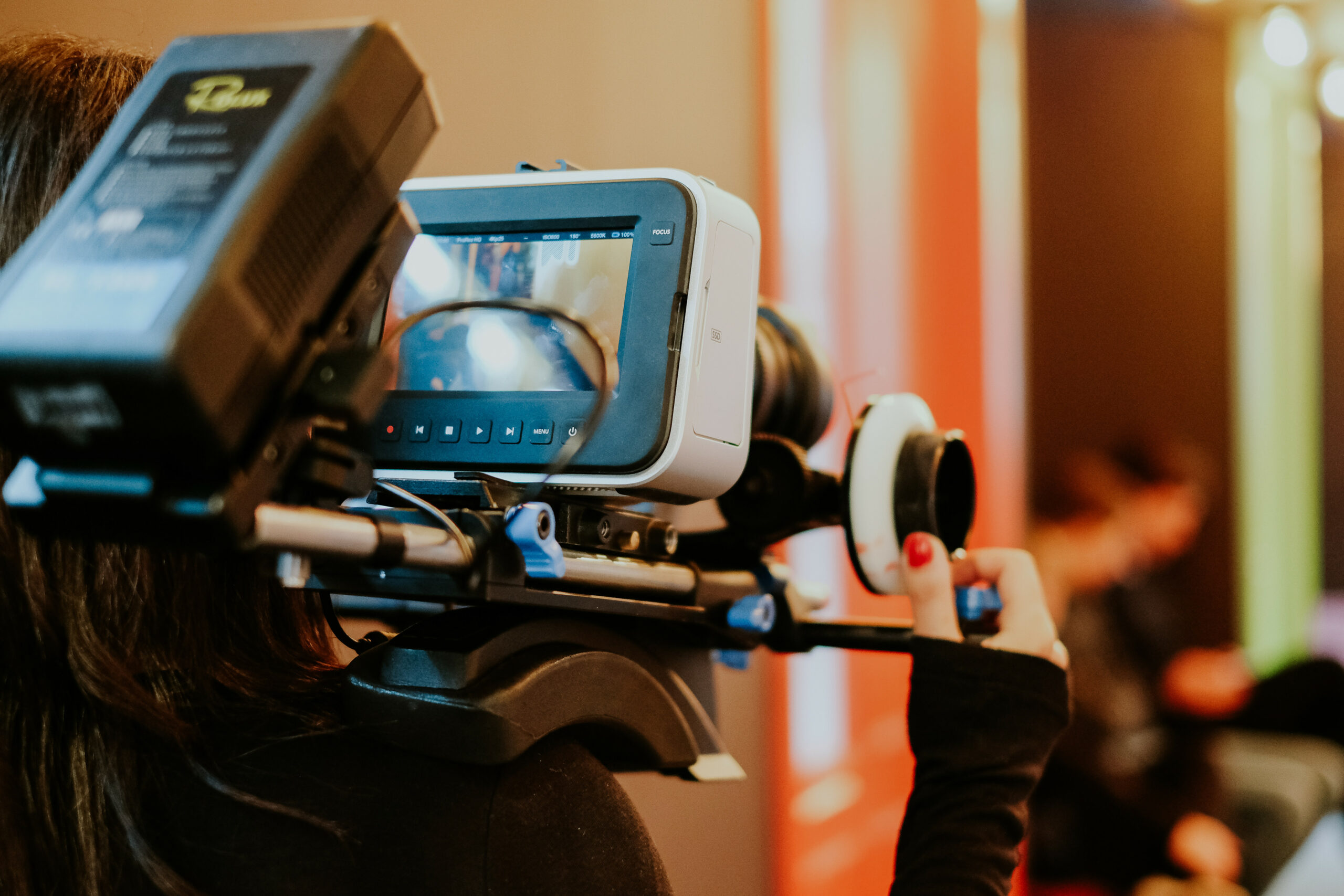
When filming, you will come into contact with the DOP (Director of Photography), who is in charge of the cinematic image on camera and decides how to achieve a particular shot. The DOP has an AC (Assistant to Camera) who maintains the workings of the lenses and cleans and prepares them for a take. The gaffer also works closely with this team as they plan and create the lighting plan for each shot and scene. The grip is the team member who manually operates the camera and its heavy equipment (usually the ones with muscles) to ensure that a take can be made smoothly and safely.
The sound recordist is also a key role and they will record the audio of each scene and check that there are no odd background noises like planes or off-stage whispers. They will usually be holding a big microphone, often on a stick, known as a ‘boom’.
Despite this list, I have barely grazed the surface of many other roles you are likely to come into contact with over the course of a project… There is the art department, the makeup team, the continuity (who check that each shot aligns with the film’s story and previous takes), the stunt co-ordinator (if it’s a physical piece) and many others.
Anticipate the Wait
Something which is usually brushed aside is the amount of time you spend, once you’ve actually got a job, waiting to play your role. Each day, you’re called to set (as per the ‘call sheet’, which is a daily agenda of scene list and cast needed for that day). You go through hair, makeup and costume and then wait to be called.
Even if your scene is marked as first on the list of the day, nothing is set in stone. The weather may suddenly turn and so they have to do a shuffle around, or the gaffer and DOP may be working with a very difficult lighting plan to prepare the shot.
The director is working with everyone and not just you, your character or your scene. They have to balance all of the different departments, schedules and uncontrollable fluctuations of the day. There have been many times when I have been up at 5am, suited, booted and wigged, ready by 7am, and have to wait all day to be told I wouldn’t be needed that day.
Spend the Downtime Wisely
Having a lot of downtime can be annoying, yes. However, if you come prepared for having to wait, you are able to constructively use this time, so it can be quite a positive thing.
You could use the hours to catch up on work, whether it’s studying for exams or attending to your other job. You can distract yourself with a completely different activity. Or perhaps, if you’re on a longer project (over weeks or months), set yourself a goal to make something within your waiting time… Sew something. Write a play. Crochet a blanket.
If you’ve been told it’s probable that they won’t get to your scene that day by one of the ADs, then use the time to socialise. Get to know the crew and have a chat with them to learn their name and what they do (if they are not busy either – otherwise, do not disturb.
However, if you know that you are likely to be called to set soon, you can engage with a ‘liminal’ activity: one which keeps you in between yourself and character. This means you are ready to perform quickly whilst also not exhausting yourself.
Be Respectful
Once on set, keep quiet and try not to move around so much. Many people think that mutters and whispers can be edited out or not even heard, but this is wrong and also disrespectful to others who are working. Plus, you may have a mic on you.
Don’t bring your phone to set, but if you have to, then set it to silent or aeroplane mode – definitely do not make or take calls. Setting the space ready for a shot can take hours. Be patient and expect to remain focused throughout transitions and lighting, makeup, sound fixtures, etc. A lot is required for every single take. So, remain ready and professional.
Offer help if you think it won’t be an issue – maybe the grip is hungry or thirsty. If so, get them something from craft services. If you’re in costume, hair and makeup, then stay clean and presentable too; remember this is someone’s work.
Be Friendly and Supportive
On the first day, make a good impression by talking to everyone you see. Be friendly and ask what they do. Don’t only converse with who you think you’ll work with; get to know everyone.
This is a small industry and a good word spreads well. Don’t be a negative Nelly. Days are hard and long – plus you never really know where they’ll go. But don’t let this deter you from an optimistic outlook; try to remain enthusiastic, open and remember: You want to be here.
 Lauren McCrostie is an actress and writer based in London. Previous acting work includes Tim Burton’s ‘Miss Peregrine’s Home for Peculiar Children’ and Carol Morley’s ‘The Falling’.
Image credit: Ross Ferguson
Ready to put this advice into action? Sign in to update your profile, highlight your unique skills and make sure you stay visible on Spotlight.