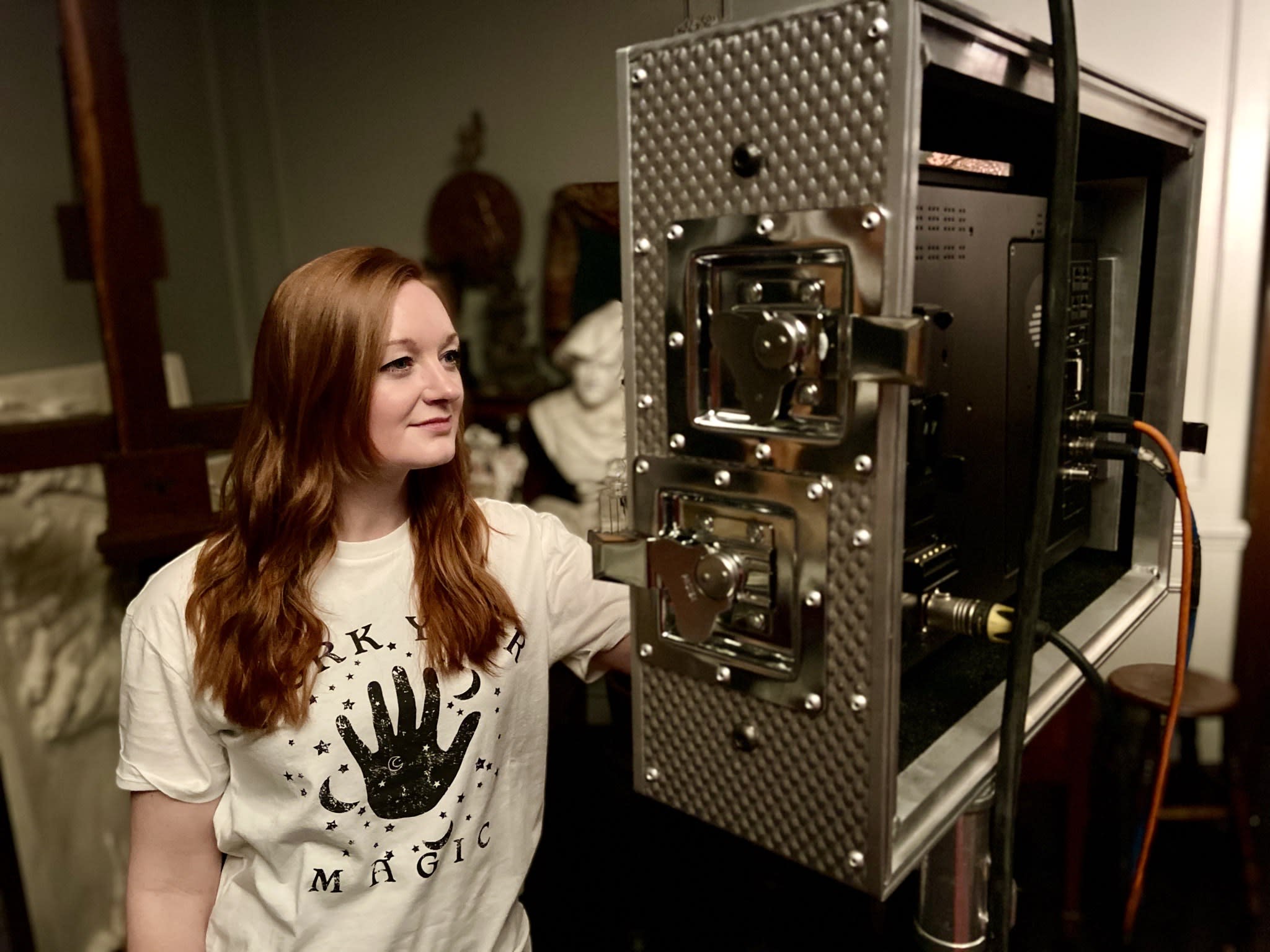
Intimacy coordinator Lizzy Talbot shares key insights into her role on set.
Former theatre fight director Lizzy Talbot is one of the world’s most sought-after intimacy coordinators for film and TV. Her work on Bridgerton, The Witcher and This Is Going to Hurt has helped deliver some of the most dynamic scenes on the small screen. Spotlight sat down with Lizzy to learn how she created a business to help other actors:
How did you become an intimacy coordinator?
I started researching the role of an intimacy coordinator when working as a fight director in 2015. I could see how the role was similar to mine – it involved choreography, risk management and powerful storytelling through physicality.
After working with US intimacy coordinator Alicia Rodis, I offered intimacy workshops to amateur dramatics and repertory theatre groups in the UK to help them navigate these scenes. Since then, my work has increased dramatically and expanded to film and TV.
How was it first received by the industry?
Initially, there was a lot of resistance to the role of the intimacy coordinator. It was seen as an added expense. The #MeToo movement helped without a doubt. In 2015, it was hard to get anyone’s attention. Now agents are requesting intimacy coordinators in the early contract stage for their actors.
How do you help the actors prepare for intimate scenes?
Before the shoot, actors fill out intimacy riders, which state the limits of what they are willing to do during scenes that involve simulated sex or intimacy.
During the shoot, we instituted closed set protocols, which include limiting the number of people who can be on set. And once shooting has finished, we also help the actor de-role after a scene and give them the tools that they need to leave the character at the door.
What do you do when you are given a script?
We read it and make a breakdown of it. We also chat to the director to make sure we have their creative vision. A script doesn’t always tell you everything. It will leave a lot to the imagination. However, the director will have a clear idea of what that looks like. We will then format each movement in the scene in the same way as you would do for a safe stage slap or punch.
You might be working with actors who have had zero movement training or years of experience in movement training. We can even go as far as to make notes in the script on where arms and legs need to be placed. The goal is that there are no surprises, so the actors can form the correct safety technique and stay protected.
Is it true you used a semi-deflated netball to protect an actor’s modesty in ‘Bridgerton’?
We use a variety of things in our work. We will use anything that provides a secure barrier between actors. It gives them far more freedom to commit to the scene without being stressed.
What has been the most fun scene to work on?
The honeymoon scene in Bridgerton. That was a lot of fun, working with Phoebe [Dynevor] and Regé [Jean Page]. We filmed in a library, a garden, leaning against a stone statue. It’s five minutes on screen, but we worked on it for about two months.
How much research do you do for a scene?
You need to be able to plan ahead and work within the boundaries you’ve been given. On the hospital drama, This Is Going to Hurt, we consulted with an OB-GYN.
While on The Witcher, we work closely with the visual effects team. You need to do this as you might find out that one of the characters has got a tail, or there are the safety ramifications of an eight-foot-long boa constrictor hanging around in the background.
How do you fool us to make a scene look saucier on screen than it is?
In the past, it was a case of let’s just do the sex scene and not talk about it again. But when you look at it as a crafted scene, that’s when you start to perfect the magic. We choreograph it, so there aren’t any surprises for the actor.
If you don’t have this, the actor isn’t going to commit and every move will have an air of awkwardness about it. If an actor is confident in where they can touch someone and the quality of touch that they can give, they can really commit to it.
What should an actor do if they don’t have an intimacy coordinator on set and they feel uncomfortable about a scene?
Contact Equity and speak to your agent. If it’s a slightly lower budget show and it can’t afford an intimacy coordinator, my advice would be the same as if you can’t afford a stunt coordinator – rethink how you tell the story. If you can’t put in the personnel to help keep the actors safe, you should be telling the story a different way.
How can you become an intimacy coordinator?
There are seven SAG-accredited intimacy coordinator training programmes that can be found in the UK, US and Canada. If you are considering a career change, think about what you would have to do to move into stunts. You would need to be able to choreograph scenes, so you need choreography skills and movement experience.
If you’re looking for representation, check out our Talent Scout feature to let agents know that you’re seeking representation.