
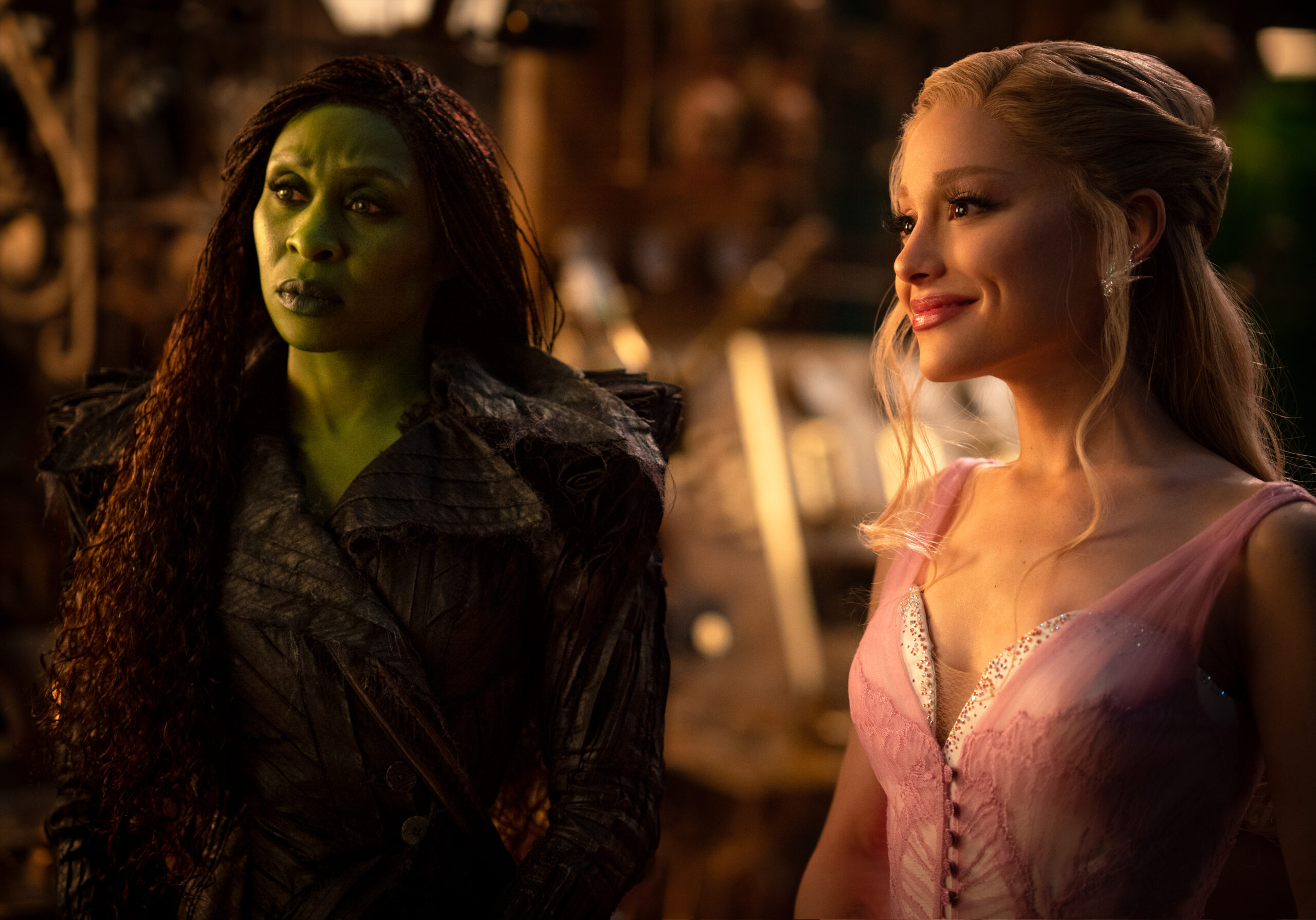
Casting directors Bernard Telsey and Tiffany Little Canfield on casting ‘Wicked’ and being shortlisted for the first casting Oscar.
The lead-up to the Academy Awards is always a time of great excitement and anticipation, but this year feels more momentous than usual. For the first time, the vital work of casting directors will be recognised with a Best Casting Award, and one casting team will go down in history as its first-ever recipient.
Casting directors Bernard Telsey, CSA and Tiffany Little Canfield, CSA are on the award’s shortlist, and unless you’re not in Kansas anymore, you’ll have definitely seen the fruits of their craft. The film adaptation of Wicked is a cultural phenomenon that’s taken the world by storm, and it’s thanks to Bernard and Tiffany that the cast included such iconic talent as Ariana Grande, Cynthia Erivo, Jonathan Bailey and Marissa Bode.
With Bernard and Tiffany having been involved in the casting process of Wicked for almost 30 years – from the modern-day films, all the way back to the original Broadway production – it’s appropriate that Wicked: For Good is the project that earned them their place on the shortlist.
We spoke to Bernard and Tiffany about their extensive careers, casting Ariana Grande and Cynthia Erivo, and their hopes for what the Casting Academy Award will do for the future of the profession.
In this interview, you’ll find out:
- Bernard and Tiffany’s career paths, from theatre management and directing to building a major casting partnership.
- The significance of the Academy Awards finally creating a category that recognises the craft of casting.
- How the Wicked casting process required all actors to audition rather than roles being offered based on fame or status.
- The moment that Bernard and Tiffany realised that Ariana Grande and Cynthia Erivo were their ‘Glinda’ and ‘Elphaba’.
Hi, Bernard and Tiffany! How did you first get started in casting and end up working together?
Bernard: I’ll try to do the short story! I went to NYU for Theatre Management because I wanted to start a theatre company when I got out of school. One of my producing teachers said, “There are these two amazing casting directors, Meg Simon and Frank Hume, that we’re looking for somebody to work for part-time.”
And I was like, “That’s sort of like producing, but not.” I loved that it was a part-time job, because I needed time to start my theatre company.
I started working for them and I loved it. It was like I found something I never thought would be my journey. I stayed there six and a half years learning the ropes of the New York talent pool, learning how it works. Obviously, I knew what a casting director was, but I didn’t really know.
I just started working for them and ended up becoming a full-time employee and an assistant on all the different theatre projects and some television stuff that they were doing.
Then I left to go work for Risa Bramon and Billy Hopkins, who cast a lot of movies. I opened up my own office after a few years with them and just started doing off-Broadway and regional theatre.
Then I did this little project called Rent, which was off-Broadway at the time, and that sort of exploded. All of a sudden, the career elevated, and we were able to do more things and add more staff and projects, and then came adding Tiffany.
Tiffany: I graduated with my BFA in Directing for the Theatre from the North Carolina School of the Arts and moved to New York. I’m from Northern California, so I actually didn’t know what a casting director did, because in all the regional theatres it seemed like the producers or artistic director ran the auditions.
I wanted to get in the door, do an internship or something, and I ended up getting hired to work with a casting director at Bernie’s office working on Baz Luhrmann’s La Bohème specifically. It was just me and her, and then she got hired by Baz mid-process to join the company and work with him on the directing team, and I took over casting that show. So that was my first time being at Telsey, but I didn’t work specifically with Bernie.
When [La Bohème] started to wrap up, we started to work together, especially in some plays and musicals, but also film and television. And then, in 2015, I moved back to California and opened the West Coast office for our company.
This is the first time the Oscars will recognise casting with its own category. What does this mean to you?
Bernard: It’s overwhelming with excitement. We all grow up watching the Oscars and reading about it. It’s the Mount Everest of award shows, and to think that this profession is being recognised… It’s already historic that it’s the first time there’s a shortlist, that five casting teams will be nominated and one person will be a winner and will be the first of many.
It’s hard to believe that it’s happening. When you think about 25 years from now, there’ll be 25 Oscar winners in casting, and what that’s going to mean for the profession from a sense of young people growing up and saying, “I can do that, that is a job.”
The thing that really makes me want to cry is to think of all those casting directors who paved the way to make this happen. When I think of Juliet Taylor, Marion Dougherty or Lynn Stalmaster, they would all probably have a dozen nominations by now.
There have been casting directors since the 60s who have been actively working on projects, and I know how hard they worked. Some of them helped start our union. So, I feel like this is for them.
Tiffany: I’m just so excited we’re getting to talk about our creative process because I do think that a lot of people think it’s scheduling or you get to be powerful and say ‘no’ or ‘yes’ and it’s really not like that. It’s truly a collaboration with the actors on one side and the studio and filmmakers on the other side.
It’s a really collaborative place to work and it’s been fun to really talk about the artistic process that is casting.
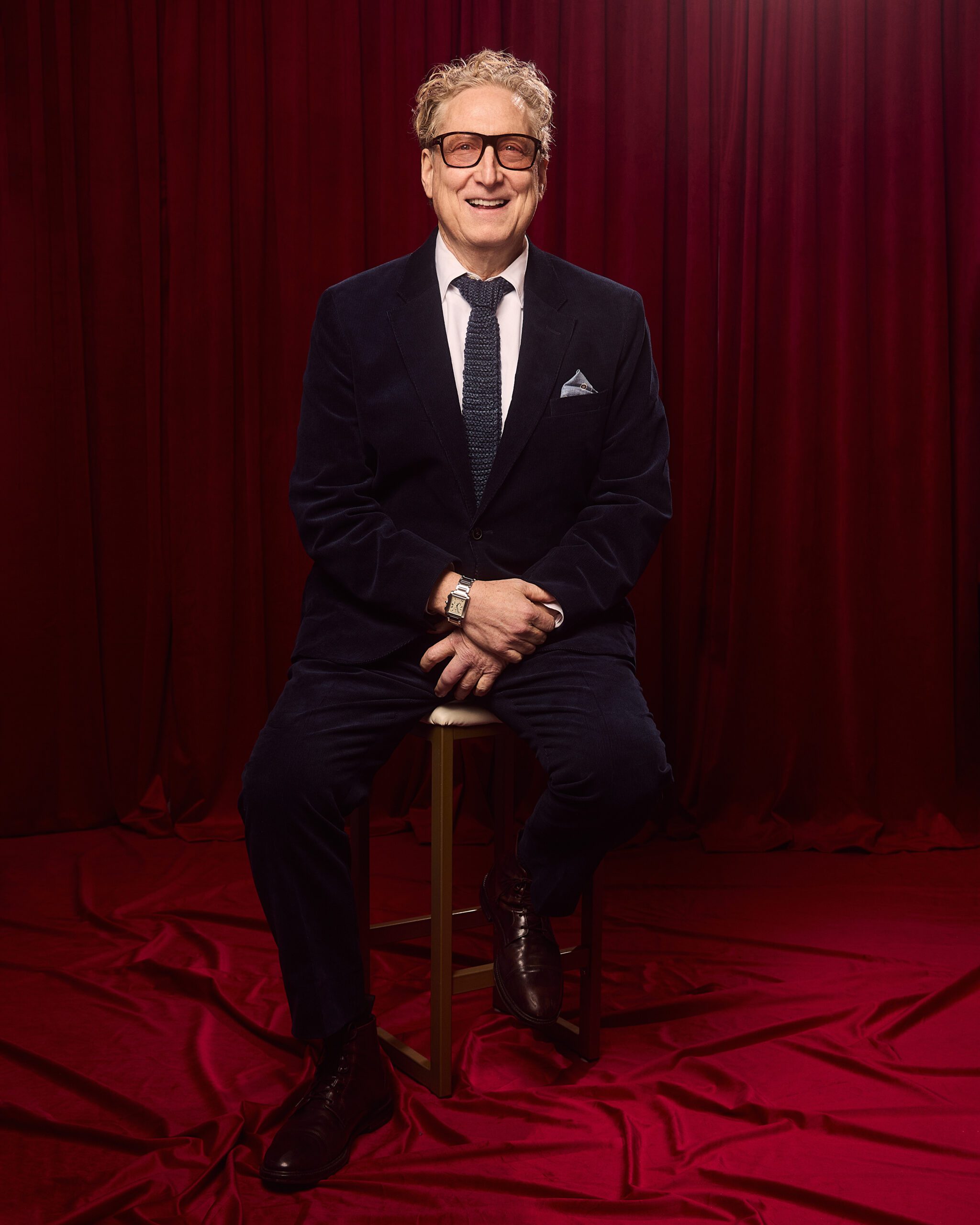
Bernard Telsey / Image credit: Benjamin Rivera
Why do you think it took so long for casting directors to get the recognition they deserve?
Bernard: Having been on a committee with a bunch of wonderful casting directors who were trying to make this happen, it really was about education more than anything else. It’s obvious to you and us, but what we do has not really been written about.
Tiffany: I think we work in a space that’s very vulnerable and private. You came up with amazing questions, and so has everybody else in the last month, but those questions were never really asked. Because it wasn’t out there, people didn’t talk about it.
Bernard: When we were trying to make it out there, we really had to educate people, because they didn’t know. Even fellow members of the Academy were like, “So what is it that you actually really do?” So education was the big thing. Once we were able to educate and had the support of the press, directors and actors, it became very easy.
How does it feel to be shortlisted for ‘Wicked: For Good’ after being involved with the ‘Wicked’ franchise for 30 years?
Bernard: Really exciting, really stressful. My heart goes out to all of those wonderful filmmakers and actors that we’ve been able to work with, because if there was no shortlist and you just found out who was nominated, you wouldn’t be thinking you were close.
It makes you want it more, but I can’t really do anything during the four weeks of being on a shortlist. It means something and it’s historic, and it will mean something if we go further and it will mean nothing if we don’t go further.
Tiffany: I have more empathy than I have had when I send someone an offer and the agent says, “They won’t be able to look at it for three weeks because they’re on a press tour.” Part of me used to always say, “Come on, how many aeroplanes are they on? They can read it.” Now I’m like, “They’re sleeping on the aeroplane.” We have a little bit more understanding because we’ve been included.
Obviously, we’re not doing press to the level an actor is, but even just getting to be with Paul [Tazewell] in costumes and Dana [Fox] and Winnie [Holzman] in writing and Myron [Kerstein] in editing, we’re usually so far from them in the process, which also might be a reason why we don’t get recognised. We’re not on set every day. We work in pre-production.
Bernard: The greatest thing about being on the shortlist is that you’re included in all the panels and you’re in these discussions with Jon [M. Chu] and the other craftspeople, and you’re talking about what we did regardless of whether or not there’s a next step.
It’s been so wonderful because all casting directors spend a lot of time working on these things, so to have that moment of community and collaboration with other artists or even other casting directors – that’s the greatest thing.
‘Wicked’ requires finding actors who can act, sing and dance at a world-class level. Do you think this is the perfect example of why casting is a craft that deserves to be recognised?
Tiffany: We certainly got to flex all the muscles on this one! Dance calls are probably one of my favourite parts of casting. In theatre, it’s quite common to do them, but in film it’s quite rare. Here, it was such a big part of the world-building for Wicked.
People might see a lot of people and think they’re extras, but in our version, a lot of them are unbelievably talented dancers and we got to be in the room watching them come in and get to work with Christopher [Scott]. Then, obviously, casting the kid versions. We just got to really play with the casting process on this one in every direction.
Bernard: What was so great about this project is everybody had to audition for [‘Elphaba’, ‘Glinda’ and ‘Fiyero’]. Nobody was ever offered a role. You could easily have put them on a list, but it was Cynthia coming in to audition, it was Ariana coming in to work, it was Jonathan coming in that got them those parts. And I applaud them for doing it, because not every actor would be able to or want to take the risk of auditioning and maybe being passed on.
They embraced the casting process, and look what happened. Now they’re all iconic. They’re so identified with these three roles. That’s what makes us the most proud: it’s not that we did it, it was ‘casting’ that did it.
Last year, ‘Wicked’ earned 10 nominations, including Best Picture and acting recognition for Cynthia Erivo and Ariana Grande. Having cast them both, how did it feel watching them walk the red carpet as Academy Award nominees?
Bernard: It’s so rewarding and I’m so appreciative, because they did the work. Even when Tiffany and I did a panel last week in Los Angeles, which Ariana moderated. It was so nice to hear from her side when she would say something like, “We loved the casting process of this movie.”
We had all the time in the world and we took the time to find the right people and she would interject, “Yeah, you took a lot of time between my first audition and my second audition.” It was like, “I love you even more.”
Every accolade that they’re getting is so deserving. There are a million great actors out there who all do a great job, but what they did in these roles is so life-changing. You’ll be watching this movie in 50 years, the way we watched Judy Garland in The Wizard of Oz. They made this powerful story come to life and affect so many people.
Can you tell us a bit about your casting process for the films?
Tiffany: You always start with a breakdown and a description of roles so that you can communicate to the world what you’re looking for, and whether the world is agents, schools, dancers – however you’re trying to get out. We knew on [Wicked] we’d be dealing a lot with represented talent, but also doing a search. We knew ‘Nessarose’ would be a search, and we knew there were going to be kids. I always say kids are a volume game.
Then you prepare the material that’s going to best explore what you need. Because these films were done at the same time, there was no breaking down Wicked and Wicked: For Good. We cast them at the same time because they shot it at the same time. It was more like act one and act two of a play.
We had material from the original Broadway show so we could really explore the range of the roles and vocal ranges. Then you’ve got to find the accompanist who can change the keys, because you don’t want to miss someone just because they don’t sing in the original key of the song. You want to create an environment where they can come in and show you their potential, not their finished product.
Then you’re having callbacks with your team, both on Zooms and in person. We’re all flying all over, and while we’re in those audition rooms, we’re working with the actors. Jon’s giving direction. We’re all kind of talking, “What if we tried this?”
Then we’re editing those self-tapes, to be clear, not to hide anything, but to show that we’re dealing with potential during the process. It’s all about potential. How do we share that with our other team members so they can weigh in and really see where we’re at and what we’re learning, because sometimes roles really evolve during the casting process. So, all that’s going on, and we’re doing that in New York, Los Angeles, virtually, in London. So, it took some time.
You’ve mentioned in other interviews that there was no pressure to cast ‘names’ for ‘Elphaba’ and ‘Glinda’. At what point in the audition process did you realise that two established stars like Cynthia Erivo and Ariana Grande were actually the performers you were looking for?
Bernard: Ariana came in a few times and worked with Jon and worked with us. You started to see, it’s not Ariana anymore. It’s ‘Glinda’. That’s hard, like, she’s Ariana Grande. We know who she is and ‘Glinda’ has to be the star, not the people going in.
That was our goal, which Jon Chu said over and over again. When we got to the final callbacks and she was reading with a few other ‘Elphaba’s, you just saw it. It’s like a flower blossoming right in front of your face. It just started happening with her and it was so wonderful. She even started improvising as ‘Glinda’.
You almost don’t want to tell the person who’s not in the room, “We found ‘Glinda’. It’s Ariana Grande,” because you wanted people to come in with an open mind and see that she’s gotten the part, not Ariana. That’s what I love about casting! When you can go back to the process and let everyone have a chance, and you come in and do the work.
Tiffany: I would say it’s the same thing [with Cynthia]. The thing with Cynthia is that we knew her vocal strength. Bernie cast The Color Purple musical on Broadway with her starring in it. We knew about her; we saw her in Harriet, an Oscar-nominated performance.
I guess what we thought was that we know she has the power and the strength, but does she have the vulnerability of part one? Can she feel like ‘Elphaba’ in the early scenes? And comedy. There’s quite a bit of dry humour in the first one, and humour that has to be attached to pain and being ‘other’ed and all of that.
When Cynthia came in to do her audition, she wore a t-shirt and jeans and a beanie and was so simple and vulnerable. Watching her work with the other actors in the chemistry reads, you saw that, her and Ariana, their preparation was actually the thing they had in common because we wouldn’t think of these two going together. In fact, we thought Cynthia couldn’t go with Ari. They’re such different kinds of artists.
But what they have in common is they’re both perfectly right for the part. They also have the same work ethic. They were so prepared and generous in the audition. They knew their vocal line. Very rarely in a chemistry read do you actually sing duets, because both people need to know the song well enough to know their part and sing in harmony and all that. They knew and it was really amazing to watch that.
Bernard: One of the things that was so clear in their work ethic being the same and their preparation being the same, is how they listened to either the other actor or to Tiffany, who reads most of the time with them, especially since these were female scenes.
There was so much going on in each of these women when they were just listening to the monologues or the lines that Tiffany was doing. That’s so needed in a film. So many times in auditions, people don’t do that. They just get to what they’re singing or saying next. [Ariana and Cynthia] let it breathe and they let it live, which really showed you that they were allowing the other character to change them. I know Jon carried that into the way he made the film.
What was it about Jonathan Bailey’s audition tape that made you certain he could play ‘Fiyero’?
Bernard: We know him from his theatre work, having seen him in London and Bridgerton. He’s such a wonderful actor. He’s a dancer. He’s unbelievably handsome. He’s charming and likable and also pretentious. I’m joking!
He came in early on to do a general with us when he was passing through New York, way before we ever started working on the show. We weren’t even talking about Wicked.
Tiffany: The self-tape that we finally received – that we chased and chased and wanted so badly – it was so cheeky because ‘Fiyero’ is really tricky to put all those qualities in. Bernie’s talking about dancing, the charm, all of that. But he’s got to have this devil-may-care attitude, plus be kind of brainless, right?
There’s a whole thing there. And what Johnny did was do [the self-tape] five minutes before he’s going on for a play in the dressing room to a karaoke track, which we usually discourage. I think he changes keys, he makes jokes about it.
It didn’t matter, because the energy of ‘Fiyero’, that cheekiness, that sort of ‘Go ahead, I’m gonna fail’. He didn’t care about failing, and that to me was like, ‘Holy moly, we’ve got to get this guy out of his projects,’ because he was pretty much unavailable when we first were dealing with it.
We had to find spots to make it work, and he was flying back and forth to Toronto. We actually had to keep in touch with his manager because he was pretty much not available. Bernie says there was a Covid moment that helped a spot open up, and that’s the one good thing about Covid – Jonathan Bailey got to do well, especially us after having seen that self-tape.
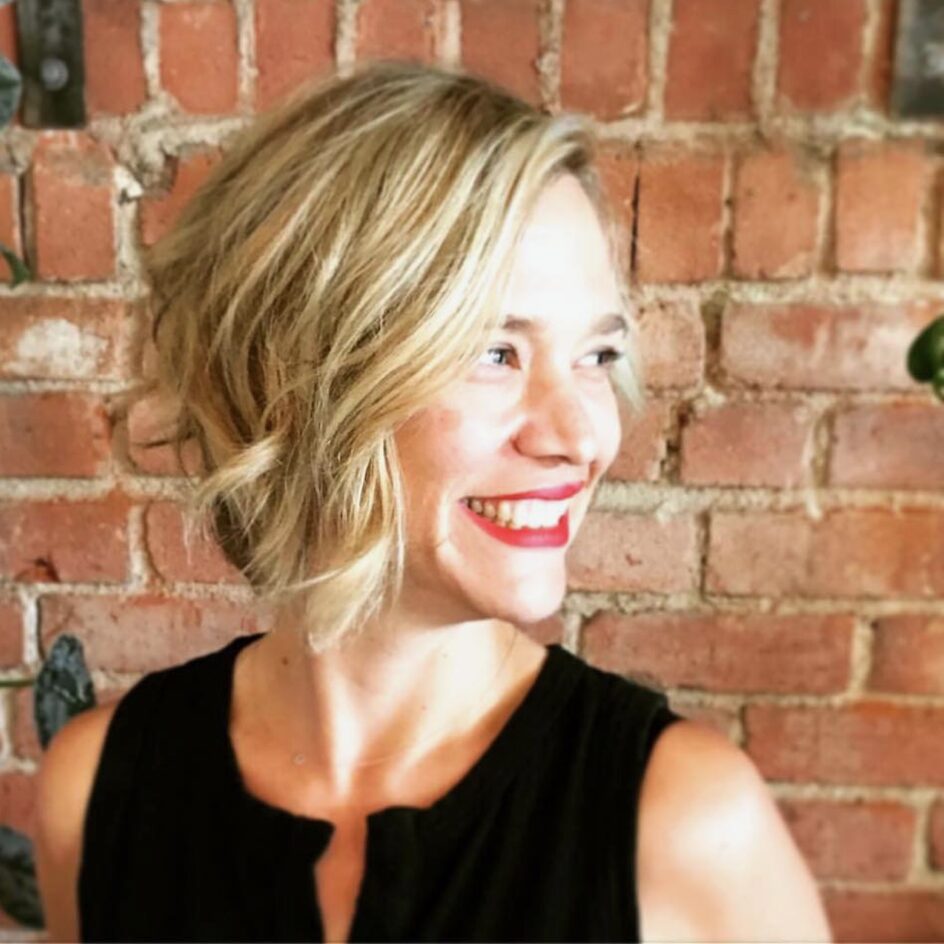
Tiffany Little Canfield
How has your approach to diverse casting evolved from the early days of ‘Rent’ to a massive blockbuster like ‘Wicked’?
Bernard: Today we make offers and we do self-tapes – all these things have evolved – but they just add to the project. We have much more access to actors in a way I didn’t have in 1990 when we were doing Rent. The great thing that has evolved as another casting tool is Zoom auditions. That’s how we found Marissa [Bode, who plays ‘Nessarose Thrope’].
Tiffany: I remember when we found her. You always look deeper to see where this person comes from, especially someone you’ve just met for the first time and you’re considering for one of the five leads of the show.
I saw an article about Marissa that when she was 11, she was in American Girl Review performing and was on her way to rehearsal when she was in a horrible car accident. That’s when she was paralysed and the show had to go on without her while she was in the hospital.
When she was out of surgery and better, the [cast] went to the hospital to do the final performance and she got to perform in it. Isn’t that the most beautifully tragic thing you’ve ever heard?
That’s the first thing they say to ‘Nessarose’ when she arrives, “Oh, she’s tragically beautiful,” right? And then ‘Elphaba’ calls herself, “Beautifully tragic.” That’s the search. That’s the thing you could never know about someone if they just were a name on a list that you’re offering.
Bernard: We do still get in the room with an actor. If anything, I’m reminded that’s how we got that incredible cast for Rent and that’s how we got the incredible cast for Wicked: For Good. So, that hasn’t changed in 26 years.
Bernard, you’ve also been nominated for an Artios Award for Plainclothes. Could you tell us about your work on this film?
Bernard: It was a wonderful independent film that was also cast by two other casting directors in the office, Adam Caldwell and Amelia Rasche McCarthy. It’s great. Tom Blyth and Russell [Tovey], both British actors, are great.
It was a small independent film and that’s where you spend a lot of time – trying to get people to attach themselves to it so that it could be made. It was a very tiny budget and it’s filled with so many great New York actors who all went up to Buffalo to shoot this. But I personally love the film and it’s a really touching story.
Besides ‘Wicked’, what has been one of your favourite projects to work on across your career?
Bernard: Rent. I say that because it was so monumental for me personally. It put me on the map as an independent casting director and introduced me to so many young actors that I never would have known if I hadn’t gone through the process. They all became iconic, and their careers started the way mine did, and it opened up an avenue on Broadway for pop-rock musicals. Then it became a great breeding ground for all these other projects that we were working on. Even to this day, it’s the most memorable. I remember almost all of the auditions because it was so hard.
Tiffany: For me, it’s really hard. I feel so lucky across my whole career. But I would probably have to say This Is Us because it was one of the first shows I did when I moved to LA. You have a lot of fear about making a change in your life like that, and I loved the work I do with Bernie and the New York office, and obviously New York theatre was a big part of my life.
So visiting rather than living that daily life was really hard, but working with Dan Fogleman, John Rico and Glenn Farar on [This Is Us] was so fun. Dan wrote one of the most beautiful television scripts I think ever written.
What is your number one piece of advice for actors?
Bernard: To understand and know that everyone you’re auditioning for wants it to work out. There’s this myth that, “You didn’t really want me.” Then we wouldn’t have done the audition! Even if you don’t get the job, all it means is you didn’t get the job. It doesn’t mean you were rejected. There’s only one person who gets hired and there are so many amazing actors.
Tiffany: People say, ‘Think of the audition as a rehearsal. It’s your part. Go in and do it’. And that’s what my advice is: bring yourself to your audition.
Really find your connection to it. I know it can be painful if you don’t get it, because you fall in love with it and that process. But if you do that every time a casting director sees you, we learn you more and we can find the part that’s right for you. We start to know you better so that when someone describes a part, we start to think about you. It’s not just about one job.
Finally, what are you currently watching that you’d recommend?
Bernard: I just finished The Morning Show’s most recent season, which I loved. So many wonderful actors going at it, like Oscar winners and Emmy winners and I am a real big fan.
Tiffany: I just finished Pluribus on Apple TV and really enjoyed that. I had not watched Better Call Saul, so I wasn’t as familiar with Ray Seehorn, so that was really exciting. It’s very rare that I see someone in a lead part that I haven’t ever seen for an audition. I think she’s always been working since I moved to LA, and I’m just excited for her because she’s tremendous on the show.
Bernard Telsey and Tiffany Little Canfield’s Actionable Insights:
- Trust that casting directors are actively rooting for you to be the right fit for the role.
- Bring your authentic self to every audition to help casting directors understand your unique potential for future projects.
- Focus on your ability to listen and react naturally during scenes to demonstrate the vulnerability needed for on-camera storytelling.
Thank you, Bernard and Tiffany, for sharing your casting experience and Oscars journey with us!
Take a look at our website for more awards interviews and advice from casting directors.