
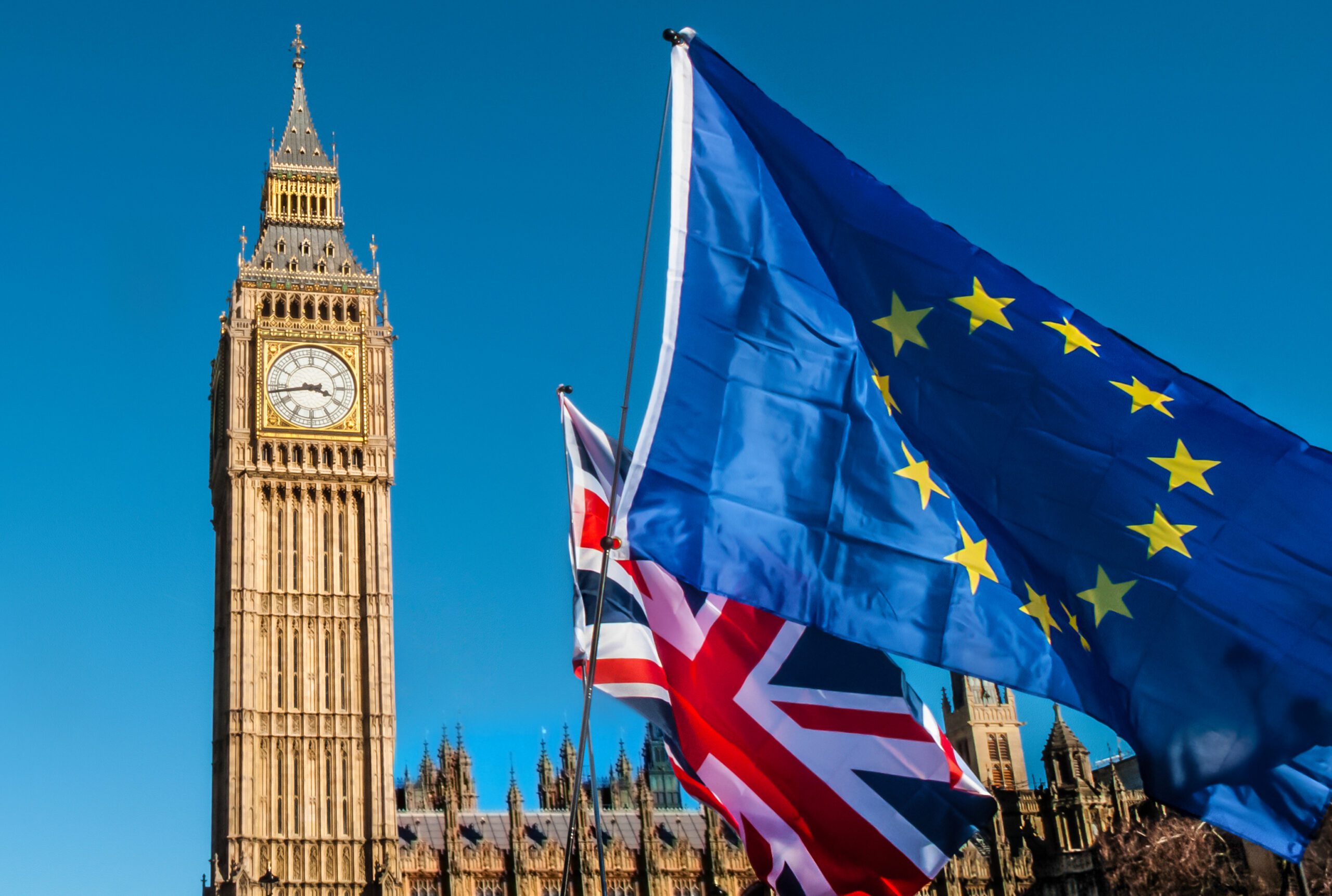
We explore why a simplified visa process is vital for UK performers when working in the EU post-Brexit.
Updated: 16 July 2026
For UK performers, the post-Brexit landscape has introduced a host of new challenges when working in the European Union. Performers face complex and often confusing visa requirements that vary from country to country, and that lack of clarity is impacting their ability to work.
Whether touring a theatre production, filming abroad, performing at theme parks like Disneyland Paris, or working on cruise ships, UK performers now encounter considerable barriers that affect their ability to seize opportunities across Europe.
Article Highlights:
-
The Post-Brexit Barrier: The end of freedom of movement has replaced seamless travel with a complex, expensive, and time-consuming patchwork of country-specific visa and work permit requirements for UK performers in the EU.
-
The Cost to Creativity: These barriers have resulted in lost income and missed opportunities for individual performers, posing a broader threat to the UK’s creative exports and global reputation.
-
The Urgent Solution: There is a pressing need for the UK government to collaborate with EU counterparts to secure a simplified, reciprocal visa system, as the current Trade and Cooperation Agreement (TCA) does not adequately cover artistic activity.
-
What’s Next: Keep abreast of the latest updates as these recommendations move from the Select Committee to the Government for a formal response.
Update: July 2026
Following the evidence given in February by Spotlight’s Managing Director, Matt Hood, (see video below) to the Culture, Media and Sport Select Committee regarding the impact of Brexit on performers, the Select Committee has published its response. Key recommendations include:
-
Prioritising practical touring solutions: The Government must work to reduce barriers faced by UK touring artists. Discussions should explicitly address arrangements for short-term touring, extended stays, customs barriers, and cabotage rules. Clear objectives must be set for these negotiations, with regular progress reports delivered back to the industry.
-
Rejoining Creative Europe: The Government should signal its intention to participate in the Creative Europe / AgoraEU programme, and formally rejoin before the next funding cycle begins in 2028.
-
Unilateral support and funding: The Government should update the sector on its unilateral activities to support UK artists working in the EU, exploring all available options to help touring artists manage the additional costs and administrative burdens of post-Brexit rules.
-
A cultural touring advice hub: Within the next 12 months, the Government should establish a dedicated advice hub—building on the existing export support service—to offer practical, expert advice on all aspects of international touring, including relevant government support.
This report has been delivered to the Government, which is now expected to provide a formal reply to the recommendations.
Spotlight has officially joined the Cultural Exchange Coalition to lobby alongside partners on these critical aims, and we look forward to seeing the Government’s formal response.
Read the full Select Committee response.
From Seamless Movement to Complex Paperwork
Before Brexit, UK performers enjoyed the freedom of working across EU member states without needing separate work permits or visas. This freedom facilitated not only artistic exchange but also economic growth, with UK cultural exports – including theatre, film and live performance – flourishing across the continent. However, without membership of the European Union, UK performers must now navigate a patchwork of immigration rules and work permit requirements specific to each country they visit.
At present, the UK-EU Trade and Cooperation Agreement (TCA) offers provisions designed to help a range of short-term business travellers, but it currently doesn’t include artistic activities. This means that UK actors touring multiple EU countries must comply with the specific immigration requirements for each country they visit. Applying for distinct work authorisations in each country often incurs high costs and lengthy paperwork. For example, a touring production visiting France, Germany and Spain will face three separate visa processes, each with its own criteria and timelines. The experience of working in Europe for actors can be financially prohibitive because of the costs associated with any paperwork.
The Toll on UK Performers and the Creative Economy
The repercussions of Brexit extend beyond administrative hassle. Reduced access to European work opportunities means UK performers face a loss of income and valuable experience. Each role and engagement hones actors’ skills, broadening their versatility and employability. The decline in cross-border work diminishes performer development, which in turn impacts the vibrancy and competitiveness of the UK’s creative industries.
Performers’ ability to work impacts all sectors within the creative industries – from theatre, film, television, touring productions, gaming (through motion capture and voice over), cruise entertainment and theme parks. Their ability to work internationally is critical not only for their careers, but also for sustaining the UK’s cultural exports and global reputation. Their success is the success of the sector.
The loss to the UK economy is significant. A 2023 House of Commons research paper on ‘Touring artists and the UK-EU economic partnership’ estimated that in 2019, exports of creative arts and activities were worth over £4 billion, accounting for 1.2% of UK services exports. The current visa regime threatens to erode this economic contribution.
What Needs to Change?
To support UK performers and the broader creative sector, there is a pressing need for the UK government to collaborate with EU counterparts to simplify visa arrangements. Ideally, this would involve adopting a system similar to the UK’s current visa-free arrangements for EU artists working in the UK, fostering reciprocal ease of movement.
Following the UK-EU Summit in May 2025, there are hopes that some of the regulatory barriers impacting businesses operating from the UK in Europe will be removed. We hope that this will also include less red tape for our cultural output too. The ‘Common Understanding’ document does at least recognise “the value of travel and cultural and artistic exchanges, including the activities of touring artists” and identifies it as an area that requires further work to “support travel and cultural exchange.”
Engagement through platforms like the European Commission’s Creative Europe programme could provide a framework for streamlining processes or offering dedicated support to performers navigating cross-border work.
Looking Forward
UK performers are among the country’s most visible cultural ambassadors. Their ability to work seamlessly across Europe enriches not only their own careers but also the UK’s cultural landscape and economy. Without concerted action to reduce bureaucratic hurdles, both performers and the creative industries stand to lose.
As the government and Parliament explore solutions, it’s essential to ensure that UK talent continues to thrive on the European stage. Streamlined visa processes and mutual recognition of artistic work will secure the future of UK cultural exports, demonstrating the nation’s commitment to fostering creativity and economic growth in a post-Brexit world.
Spotlight Speaks on Behalf of Performers and Casting Directors at DCMS Select Committee
Spotlight is committed to supporting performers as they build sustainable careers and that includes being able to pursue work in the EU. We asked the Culture, Media and Sport (DCMS) Select Committee to look into this issue and on Tuesday 2 February, Spotlight’s Managing Director, Matt Hood, gave evidence about the impact of Brexit on performers and the wider industry. The evidence Matt gave was informed by the results of the survey we shared with Spotlight members last year about your experience of working in the EU pre and post-Brexit. Thank you to everyone who took the time to complete the survey, we appreciated your input.
Watch a clip from the Select Committee:
The Committee will now make a recommendation to the Government based on the information provided by the panel. The Government will then respond to the report and we’ll keep you updated as we find out more.
You can watch more clips from the inquiry in the dropdown section at the bottom of this page or read the written evidence submitted to the Select Committee by Spotlight.
Actionable Takeaways for Performers
- Factor in visa costs as a standard expense: Before auditioning or accepting a role in the EU, research and budget for the specific visa/work permit application fees and associated legal/translation costs for each country on the itinerary. This is now a mandatory financial consideration that can significantly impact project feasibility.
- Seek production/employer support: Actively communicate with potential European employers about covering the cost of all necessary work authorisations. Don’t assume production companies will handle this automatically.
- Establish a visa timeline for every job: Processing multiple work permits can sometimes take weeks so it’s worth building this lead time into your availability. Agree timelines with the production to avoid missing rehearsals or performance start dates.
- Keep records: Maintaining a dedicated digital and physical file of all correspondence, applications, receipts, and required documents (passports, invitation letters, contracts, etc.) for EU work can help you prepare for future applications and potential appeals.