BAFTA-nominee Yngvill Kolset Haga talks Oscar history, the meta-magic of Joachim Trier’s ‘Sentimental Value’ and the “invisible” art of the perfect cast.
The global casting community is currently celebrating a historic milestone: For the first year ever, the Academy Awards will recognise casting with its own dedicated category. It’s a shift that validates what industry insiders have long known – that a film’s soul is found in its faces.
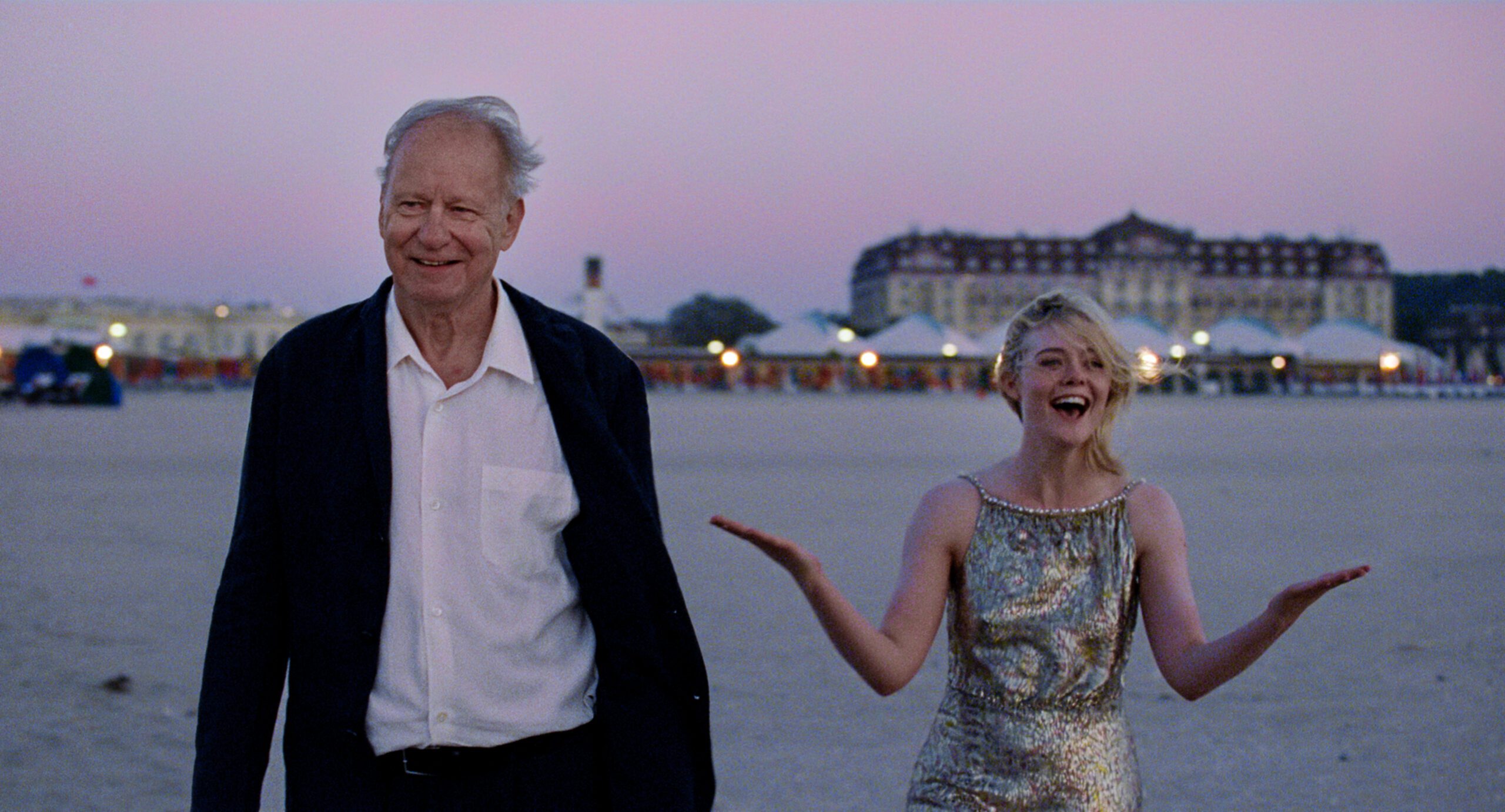
At the heart of this conversation is Norwegian casting director Yngvill Kolset Haga, who, alongside the legendary Avy Kaufman, has secured a BAFTA nomination for her work on Joachim Trier’s latest feature, Sentimental Value. An exploration of performance and family, the film follows an ageing filmmaker (Stellan Skarsgård) attempting to cast a personal project, making the real-life casting process even more significant.
We spoke with Yngvill about her six-month search for breakout star Inga Ibsdotter Lilleaas, the nuances of the Norwegian acting industry and why she occasionally has to step in as a rehearsal scene partner for Hollywood stars.
Interview Highlights:
- How new awards from the Oscars and European Film Awards are changing the visibility of casting.
- Casting a film about a director trying to cast a film.
- The psychological role of a casting director in guiding a director toward the right choice.
- Navigating the Norwegian market, where theatre is king and agents are still an emerging necessity.
“To be a good actor, it’s not just how you present yourself, how you look or how you act, it’s also other things like how you can be a colleague off camera as well.”
Hi, Yngvill! This is the first year that the Oscars are recognising casting with its own award. What does that mean to you?
It’s a fantastic year for the casting branch. With the European Film Awards getting the [Casting] prize into their awards ceremony, and the Oscar, everybody’s feeling like people are seeing us and our work. I feel very lucky that I’ve worked on this small Norwegian film that’s getting this massive attention internationally. We were on the shortlist for the [European Film Awards] prize in Berlin, I mean, you never think that that can happen. It’s just a lot of fun bonuses in a normal workday.
How did it feel watching the Oscar nominations announcement?
It was so fun. There were 50 to 60 people gathered [for the announcement]. [Joachim Trier] in LA, Stel [Stellan Skarsgård] was in Sweden – they were all on video Zooms – and it was a huge warm celebration. Many people work on a film and everybody feels that they participated – of course, it’s a bit special when there’s the potential that you can also get nominated.
What was your approach to casting the film?
It’s the third film that I cast for Joachim. We had a chat, I read the script and on the first day [of casting], I tried to be as open-minded as possible. On this film, we had time to dig into every role that he had not decided on. Of course, you have some names in your head, you have a list, but then who have you not thought of? Who can you find and meet in this process? Because the way I get to know actors is in the casting process.
The role that I started off with was the sister that [Joachim] had not decided on and that ended up being lnga Ibsotter Lilleaas. Even if she was on the first list as one of the five to ten actors that were invited into the room, he used half a year to decide. He wants to see more and more just to be sure, to understand that she’s the right one. But I like working like that.
I think everybody working in the film industry has to be patient. Every choice is important, but I believe choosing the main roles and also the small roles are the most important choices that the director makes, so they might use a lot of time. You have to be patient and back them and, as their partner-in-crime in that part of the production, you make them have as comfortable a ride as possible.
How did you work with the other casting directors to build the ensemble?
When I was doing my contract with the producers, I remember writing very clearly that I think we should collaborate with someone in the U.S. and someone in France because I know the level of what Joachim wants and needs and that’s how we do it now: worldwide. Why not collaborate with very good people who know their part of the world? When they get on board, you have faith and trust [that] they know their work, we’re working here and [they’re working] there and collaborating through the director.
Avy [Kaufman] has become a good colleague and friend now. We didn’t have much to do with each other during the film, but we have had a lot to do with each other after. We met for the first time physically in November for a casting thing and we did a Q&A together with the director and the scriptwriter. I love talking about casting and my job, but we are never included in Q&As and because of our prize, we were looped into the Oscar award campaign that NEON had. I love doing things like that and it would never have happened if it weren’t for the prize.
I know that we have been nominated for a BAFTA. I have to admit, I don’t know if they’ve always had a casting prize. Maybe they have. It’s interesting that Great Britain has been ahead of this.
At what point did Stellan Skarsgård become attached to the project?
When Joachim pitched me what this script was about, before I read it, he said it’s written with Renate [Reinsve] in mind as one of the sisters. He said throughout the writing process that he and Eskil [Vogt] had started to think about Stellan Skarsgård, but at that point, he wasn’t contacted. Joachim was about to reach out to him and planned to go to Stockholm to meet him and tell him about the project. So that was about to start when I joined the project. He’s an actor at an A level, so he didn’t audition. But, what a great guy! I had the pleasure of meeting him in the pre-production. I’m so happy that he got this Golden Globe and Oscar nomination.
How did the meta nature of Stellan’s role as a filmmaker trying to cast a project influence your approach to casting the family?
You had to laugh at it at certain points because everything is very meta. The film is a lot about theatre, and when I auditioned actors in Norway, they work in theatre – there are very few that survive only from doing film or TV drama – so there were lots of people talking and telling stories in the casting room.
The most meta situation for me was after the casting process. Elle Fanning was shooting in New Zealand for Predator: Badlands and she had one week where she could come to Oslo to do costume fittings and rehearsals with Joachim and the other actors. They were going to rehearse the rehearsal scene, and they had the house available in Oslo where it was shot. So [in the scene] it’s Stellan, Elle and Swedish actress Lena Endre, but she had not come over for this rehearsal, so they asked me if I could act that character, instead of bringing in another actor that was not part of the project. I arrived there and we’re rehearsing. Elle is a big star from the U.S. and it’s so strange that I’m suddenly in the scene acting as her mother. It’s just so meta! It’s strange but fun. In the film, we see her character work and I also saw her work as Elle Fanning talking with Joachim Trier. There are similarities in how she talked to Joachim as a director and how ‘Rachel’ talks to ‘Gustav’ in the film.
Inga Ibsdotter Lilleaas has been called the breakout performer of the film. What was the moment when you thought she was the right person to play ‘Agnes’?
Often, I don’t have that feeling. It doesn’t matter if I feel it strongly because I know that the director has to see it for themselves. It’s a pedagogic way that you deal with directors, you have to push in invisible ways, because they have to understand it. [Joachim] was very interested in [Inga] from the first time he saw her audition tape, but he still wanted to see 120 more.
He wrote the script for the Renate; he understood he wanted Stellan – he was sure about those choices – but if he hadn’t made up his mind, he was totally open and wanted to see what possibilities there were. The character in the script was probably slightly different from [Inga’s] portrayal of ‘Agnes’ and [Joachim’s] idea of the character, so that’s a process for him to understand what she brings into the room, her energy, her take on the character, and maybe that’s the way to go. That’s also what happens in the casting room – you have an idea, or they have an idea, but actors are real people and they bring life and nuances to the character. [Directors] might need some time to understand that that might be the take they want. It took half a year from when I invited Inga to the casting to when she got the part.
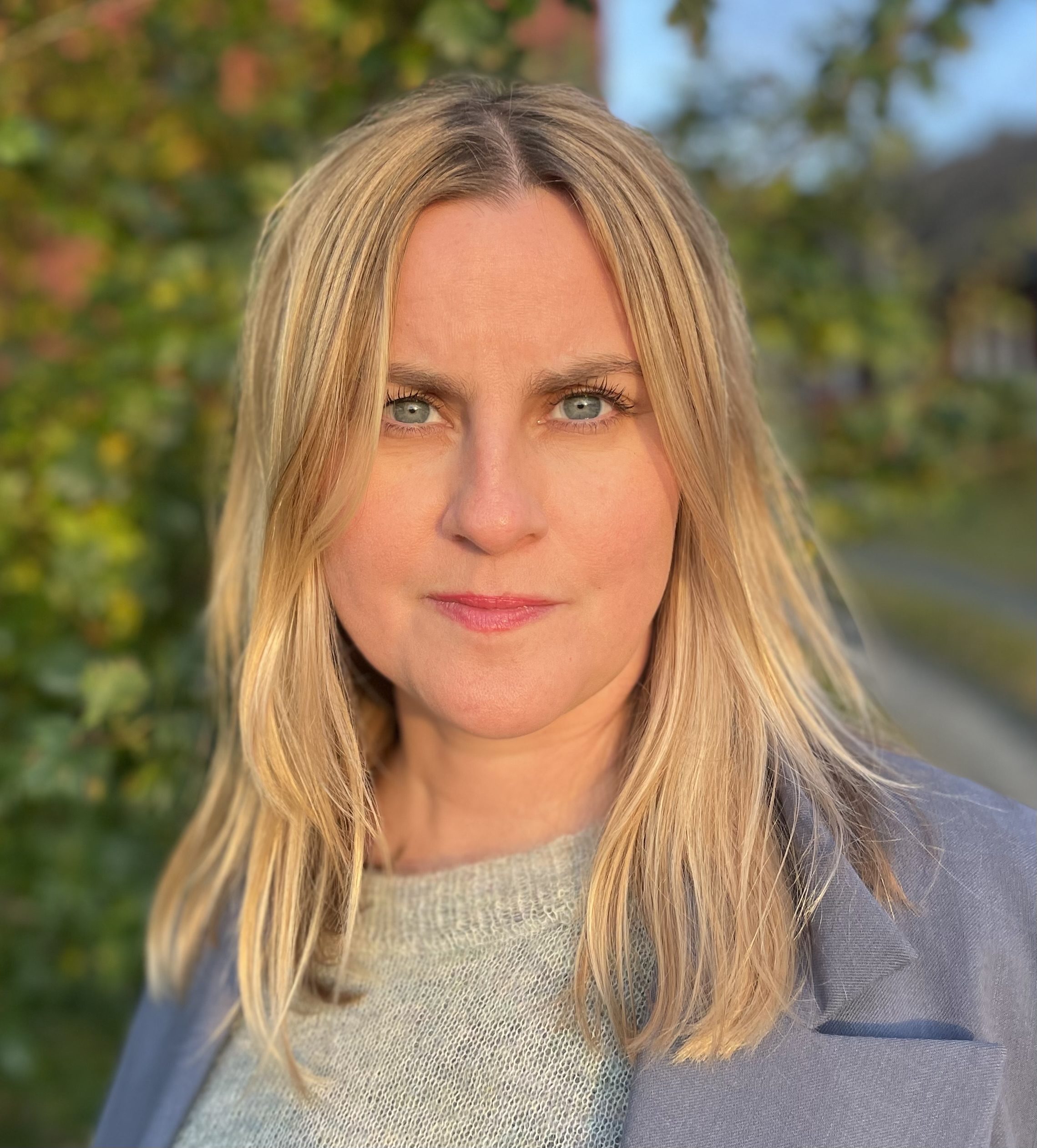
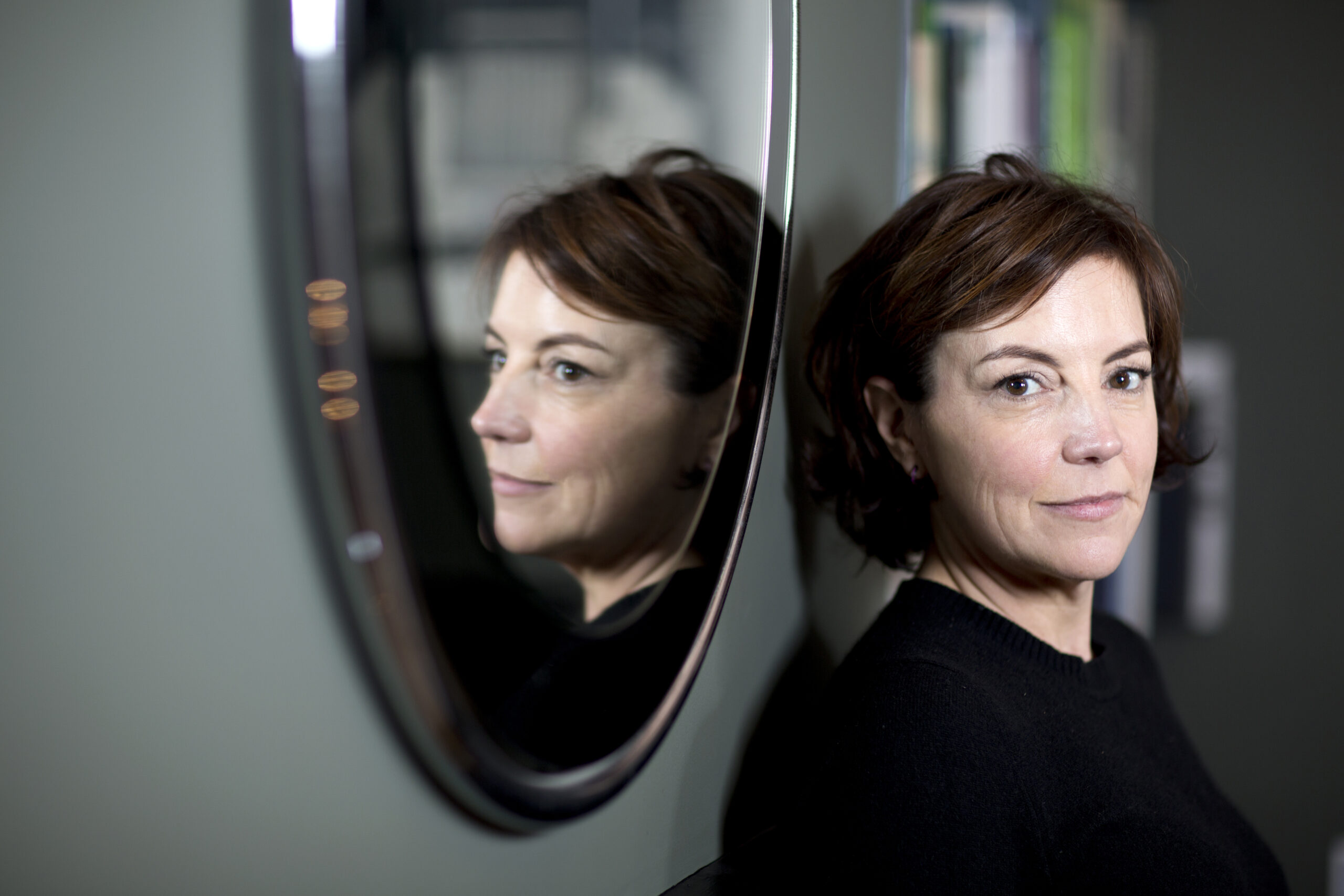
Yngvill Kolset Haga / Image credit: Rebekka Haga
How did you find casting the children?
I think all casting directors, when you’re casting big children parts and they’re good, are like, “Oh my god, where did they find them? And congrats for finding that child!” When people mention the children in our movie, I get so happy because it’s a journey finding them. It’s great fun when you feel in the room that there’s something, but still you don’t know if the director is going to see it. It’s about showing him and pushing here and there to finally have the moment where he sees what you’ve seen in that actor. When we had a meeting with one of the producers and he said they wanted to cast Øyvind [Hesjedal Loven as ‘Erik’], I cried. I was so relieved and so happy because I believed so much in him. Towards the end of the casting process, you get emotional.
How did you navigate chemistry reads?
Renate was part of six chemistry auditions with sister candidates. We also had two sister candidates meeting two partner candidates, and Renate also met some of the last children in the loop for the nephew role.
Joachim met almost every role in the room as a callback – like a chemistry read for him with the actor to see if they’ll work well with his energy. They have to work well and understand the project. To be a good actor, it’s not just how you present yourself, how you look or how you act; it’s also other things, like how you can be a colleague off camera as well.
What’s the acting industry like in Norway?
Most actors here work in theatre and then we have to collaborate with the theatres to get them off for shooting days. If we’re shooting in Oslo, it’s possible to go on stage in the evening and shoot during the day because our film industry is smaller.
Here, many actors don’t have agents. I have almost every actor on my phone and I text them. More are getting agents because our business here is getting more professionalised. It has a lot to do with whether you want to work abroad. Right now, I’m casting a Norwegian animation film, and the first version is in English, so I’m in dialogue with many London and Dublin agents.
How do you use Spotlight? And what features of a performer’s profile are most useful to you?
We used it a lot for the children in this film, especially for ‘Nora’ and ‘Agnes’ as children, as they didn’t have dialogue in the script, so we searched the whole of Europe and we used Spotlight, among others. What language actors speak can be a very crucial thing to know, and accents. [Spotlight] is very clear and you can really search for the strange things you’re looking for.
In general, to actors, I would hope that they apply only to a role if they are the right playing age for it or speak the right language. Many actors apply to anything, or maybe their agents put them forward, I don’t know, but it creates a lot of work because there are reasons why we are searching for a certain age or a certain language or need actors to be fluent in this or that. It’s hard being an actor because you have to be picked by someone else, so I understand them putting themselves out there. But I’m very happy when people suit the search.
How do you go about seeking out new talent for your projects?
I’m a theatre nerd. I watch a lot more theatre than film and TV, and I go to student performances. I try to watch Norwegian films to see who I may have missed and haven’t thought about.
Torunn Meyer, who was part of the theatre scene in the beginning – it’s not a big role, but she’s a very cool actress – told me that she’s been cast and is getting more auditions after Sentimental Value. The role is little, but she’s very visible at the beginning of the film and my colleagues in Norway remember her. She’s not famous, and she does things other than acting to survive, but it’s an example of people watching what I cast and then taking her into auditions.
What has been the highlight of your career so far?
It feels like this film because it’s historical, just as a Norwegian and also with the prizes this year. I really feel related to the film myself. I like it. You don’t always like whatever you’ve been working with, but personally, I like it and I’m moved by it.
I’m proud of many projects that I’ve done and it also has to do with if you feel that you have a really strong and good collaboration with the director and they see you and I try to understand them as best as I can. It’s crucial that I feel that my work is valued and that the outcome is good.
We have a mini The Crown in Norway, it’s called The Commoner and is about our king and queen. I’m very proud of the two leads we found. I also worked some years ago on the TV drama, 22. Juli, for one and a half years. With that series, we cast lots of unknown professional actors, and many of them have been filming a lot afterwards, so we kick-started their film career. I know that I was a huge part of that because the director didn’t know of some of them; they were pushed towards them by me. It’s invisible, and I don’t know if they know or if they remember, but as casting directors, we love to bring new faces into the film and TV world. We need the well-known ones and we love them. We go to the cinema to see names and faces we know, but we also love to see new ones. For Sentimental Value, people are talking about Inga and she was nominated for an Oscar.
Is it rewarding to see someone you helped get their first role and watch them go on to more work?
It’s fantastic, it really is. I’m just happy for the whole film. And also congrats to the five colleagues who were nominated in the casting category. Because I’m now in the Academy, you vote for yourself. It’s stupid, but that’s what you do. But now that I’m out of the nominations, I have to consider who I will vote for in that list of five films. I started about that yesterday. It’s so fun that we also have our category and who do I want to push forward and what work speaks mostly to me of those films. They’re all great, so it will be very difficult.
What audition tips can you share with actors?
Try to have fun with it. Find a way of doing the scene either in the room with the casting director or in the self-tape that you’re proud of what you’re doing and you’ve found an angle. Be extremely happy and proud that you’re invited because not everybody’s invited to the audition. You’re already being chosen out of many. You’ve chosen acting, that’s what you love to do, so you should make the best out of every session you have to act and have fun with it. People hate doing the self-tape; many Norwegians are still not so used to it, they don’t feel so safe in doing it and that comes through the camera to the viewer. You just have to find a way to do the scene and have fun with it and then we’ll get something out of it if you’re right for the role. The actor had a good time doing the scene and maybe you don’t get that role, but maybe you get another role or for the next film, because I saw a good self-tape or a good audition. I think all of us casting directors remember good self-tapes and good auditions. I have so many names going around in my head and I’m just hoping for the right project and role to audition them again.
There are so many things that happen by chance: the right project, right timing, right director, right role. Very irritating for the actors, I totally understand. You have chosen this job and acting is what you want to do, so use every opportunity to have fun with it.
Yngvill Kolset Haga’s Insights:
- Remember that being invited to audition means you’ve already been hand-picked from hundreds. View every self-tape or room as an opportunity to do what you love, rather than a test to be passed.
- Don’t try to guess exactly what the director wants – bring your own life and energy to the role, as directors often need to see an actor’s unique take to realise how the character should evolve.
- Even breakout stars like Inga Ibsdotter Lilleaas can wait six months for a “yes” while a director explores every option. Trust that the process takes time and isn’t a reflection of your talent.
- Ensure your Spotlight profile is accurate regarding playing age, language fluency and accents, as casting directors specifically seek out those specific details for international searches.
Thank you, Yngvill, for sharing your experience of casting ‘Sentimental Value’ with us!
Take a look at our website for more interviews and advice from casting directors.