How on-set wellbeing practitioners provide vital, confidential support for cast and crew.
There’s no doubt that there is, and has been for some time, a mental health crisis in the arts. Long working hours, job insecurity, endless auditions and rejections are just some of the daily challenges that performing artists and creatives face.
As a result of the entertainment industry being dependent predominantly on freelancers, even when in a job, the uncertainty and anxieties still exist. I’ve spoken to many individuals who, despite being delighted that they are in work at that moment in time, are worrying about what will come next and whether they’ll be able to keep a roof over their head.
This is why the provision of on-set mental health and wellbeing support is so vital.
Enter the wellbeing practitioner…
What You’ll Learn:
- What an on-set wellbeing practitioner is and how they provide a confidential, non-judgemental space for cast and crew to get support.
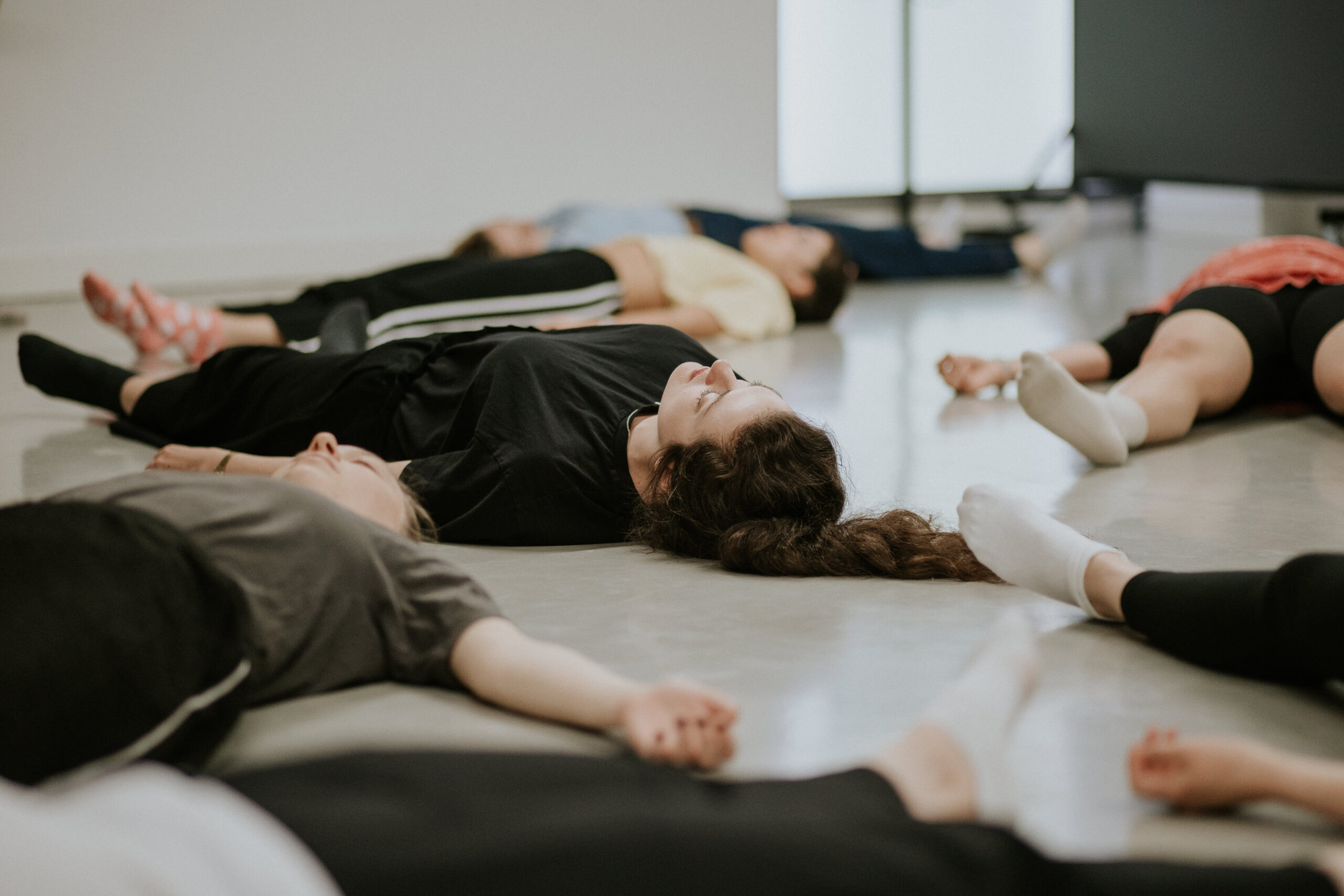
- A look at the preventative measures a practitioner takes, from script-reading to running resilience workshops, before issues even arise.
- The health and financial benefits of prioritising mental wellbeing.
- Why mental health support should be an essential priority alongside physical health support in every production.
What is a Wellbeing Practitioner?
The main role of a wellbeing practitioner is to provide a space for cast and crew to feel held and supported. We’re there if they’re having a tough time, or just want to have a chat. It’s a non-judgemental, safe and confidential space that individuals can turn to throughout the entire production period if they want to talk about their professional or personal life.
How Wellbeing Practitioners Help Cast and Crew
When I’m working on a production, I always feel that taking a preventative and proactive approach is key. This could look like:
- Reading scripts to foresee any potential issues that might arise.
- Running self-care and resilience-building workshops for everyone before production begins.
- Distributing wellbeing surveys so we know who to look out for.
- Providing booklets to cast and crew with resources such as grounding tools and information on how to access support if they’re struggling.
- Having regular check-ins with producers and other personnel.
- Frequent in-person visits to the production space.
On every project I’ve worked on, there’s been an overwhelmingly positive response to the presence of a wellbeing practitioner. Cast and crew have reported feeling safe in the knowledge that there’s someone they can turn to who will understand and be able to empathise with the environment that they’re working in.
Unfortunately, stigma around mental health does still exist. It’s not unusual for performers and offstage departments to feel concerned about sharing their struggles as they worry it might affect their job and so, they keep silent. Having a wellbeing practitioner as part of the team, providing an entirely confidential space, enables them to feel confident about opening up and voicing their concerns.
The Connection Between Mental and Physical Health
As a trauma and nervous system coach, I’m always interested in the connection between mental and physical health. There’s no doubt in my mind that the support wellbeing practitioners offer improves the levels of mental wellbeing for the cast and crew and, consequently, their physical health. As a result, fewer people are taking days off and missing shows because they’re burnt out or sick and the production company doesn’t lose out financially. It’s a win-win!
It’s been amazing to witness an increasing number of productions employing on-set wellbeing support; however, there are still so many that don’t. Productions almost always have physios for physical health, vocal coaches for voice support, intimacy coordinators for ensuring body safety during sensitive scenes and the list goes on. This focus on physical wellbeing is brilliant and essential; however, mental health support must also be a top priority.
Working as an on-set wellbeing practitioner is an honour and a privilege. I’m hopeful that we’re moving in the right direction when it comes to creating a healthier industry, which really understands and supports mental health in the arts.
Key Takeaways
Tips for prioritising your wellbeing and mental health when connecting with a wellbeing practitioner on set:
- Seek out your on-set wellbeing practitioner (if one is available) early in the production, even just for an introductory chat, to establish a connection.
- Remember that this is a completely non-judgemental and confidential service, enabling you to voice concerns without fear of it affecting your job.
- Acknowledge the anxiety surrounding freelance life. Worrying about ‘what comes next’ is normal; use the support available to discuss these professional anxieties openly.
Laura is a trauma-informed stress and nervous system coach. She helps people who are experiencing challenges such as anxiety, chronic symptoms and the effects of trauma to reconnect with the wisdom of their body and emotions so that they can cultivate balance, learn to self-regulate and build resilience to stress.
Prior to starting her business, Laura worked in a couple of different talent agencies. Having worked closely with performers, she completely understands and empathises with the challenges that can be faced, and that is why she feels so passionate about bringing her work into this space.
Alongside working with her 1-1 clients, Laura works as a Wellbeing Practitioner on productions, supporting casts and crews with their mental health and to develop powerful tools & practices which can help them to navigate any challenges they may face.
More information about Laura can be found on her website: www.lfwcoaching.com or on her Instagram page: @lfwcoaching.
If you would like to contact Laura about her work or with any questions you might have, then please email her at laura@lfwcoaching.com.