Legendary casting director Avy Kaufman on ‘Sentimental Value’, Elle Fanning and the new Casting Oscar.
Originally from Atlanta, Georgia, Avy Kaufman moved to New York City to study dance at college and never looked back. Today, her casting agency stands as a powerhouse of the industry, fuelled by a career that began with a leap of faith into advertising and a career-defining break when Jodie Foster trusted her with Little Man Tate.
From the quiet heartbreak of Brokeback Mountain to the historical weight of Spielberg’s Lincoln, Avy’s filmography is a testament to her belief that casting is an act of “helping the world” through sensitive, inspiring storytelling.
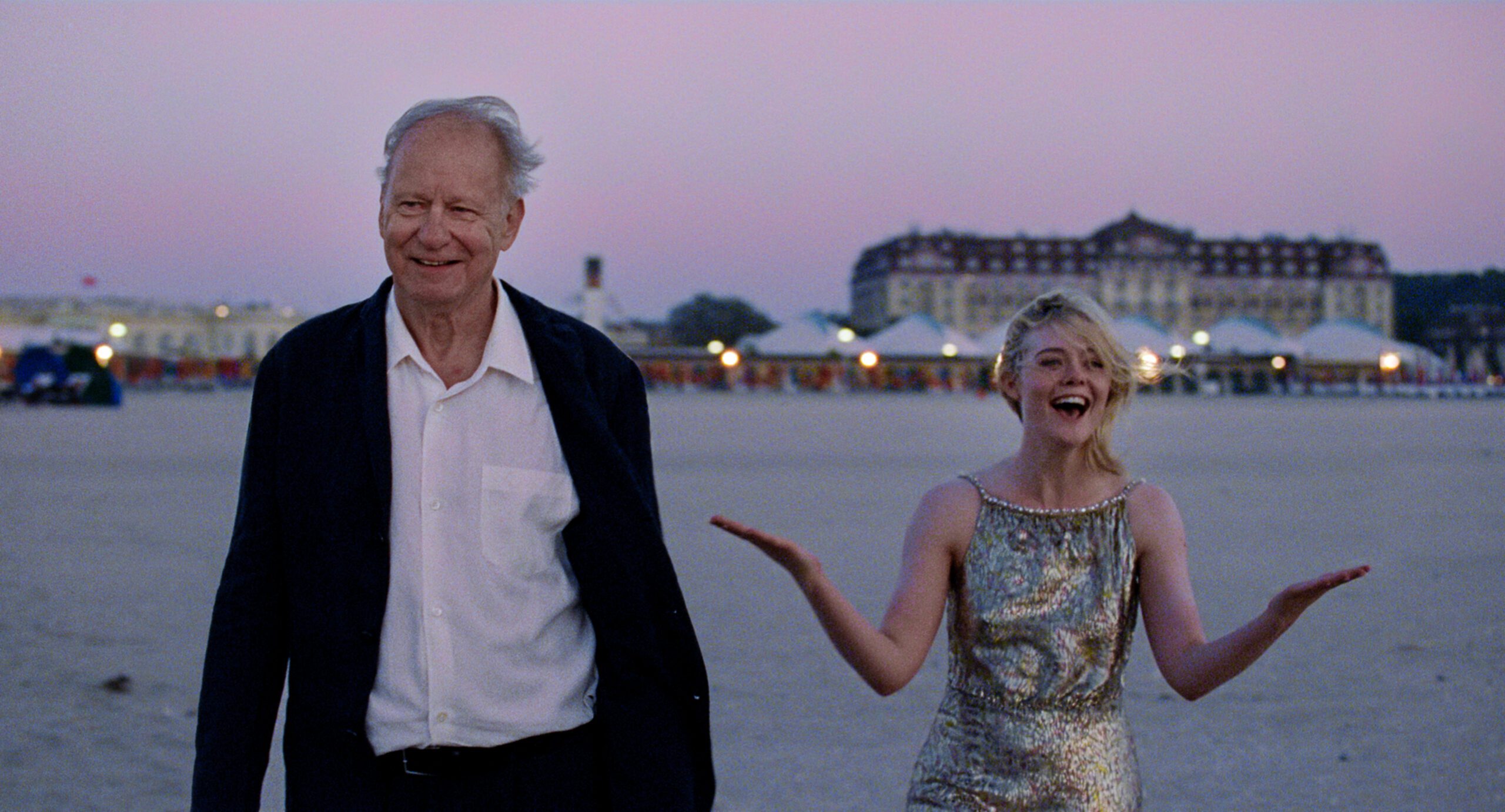
Her most recent triumph, Joachim Trier’s Sentimental Value, saw her collaborating across the Atlantic with Norwegian casting director Yngvill Kolset Haga. Tasked with finding the missing piece to a family puzzle bookended by Renate Reinsve and Stellan Skarsgård, Avy leaned into her long-standing history with Elle Fanning (whom she first cast at age 10) to find the “honesty and pureness” the role required.
As the Academy finally introduces a dedicated Oscar for Best Casting, and Avy and Yngvill’s BAFTA nomination is announced, we sat down with the legendary casting director to discuss her “old-fashioned” search for talent, how she uses Spotlight and why she still relies on her heart and instincts above all else.
Interview Highlights:
- The Oscar Recognition: Why a formal award for casting is “lovely” for the community.
- Global Collaboration: Working with Yngvill Kolset Haga to bridge the gap between U.S. and European talent.
- The Spotlight Secret: How Avy uses the platform to find “faces that talk” to her.
- Trusting the Process: Why an actor passing on a role is sometimes exactly what needs to happen.
Casting is finally being recognised at the Oscars this year. What does that mean to you as a casting director?
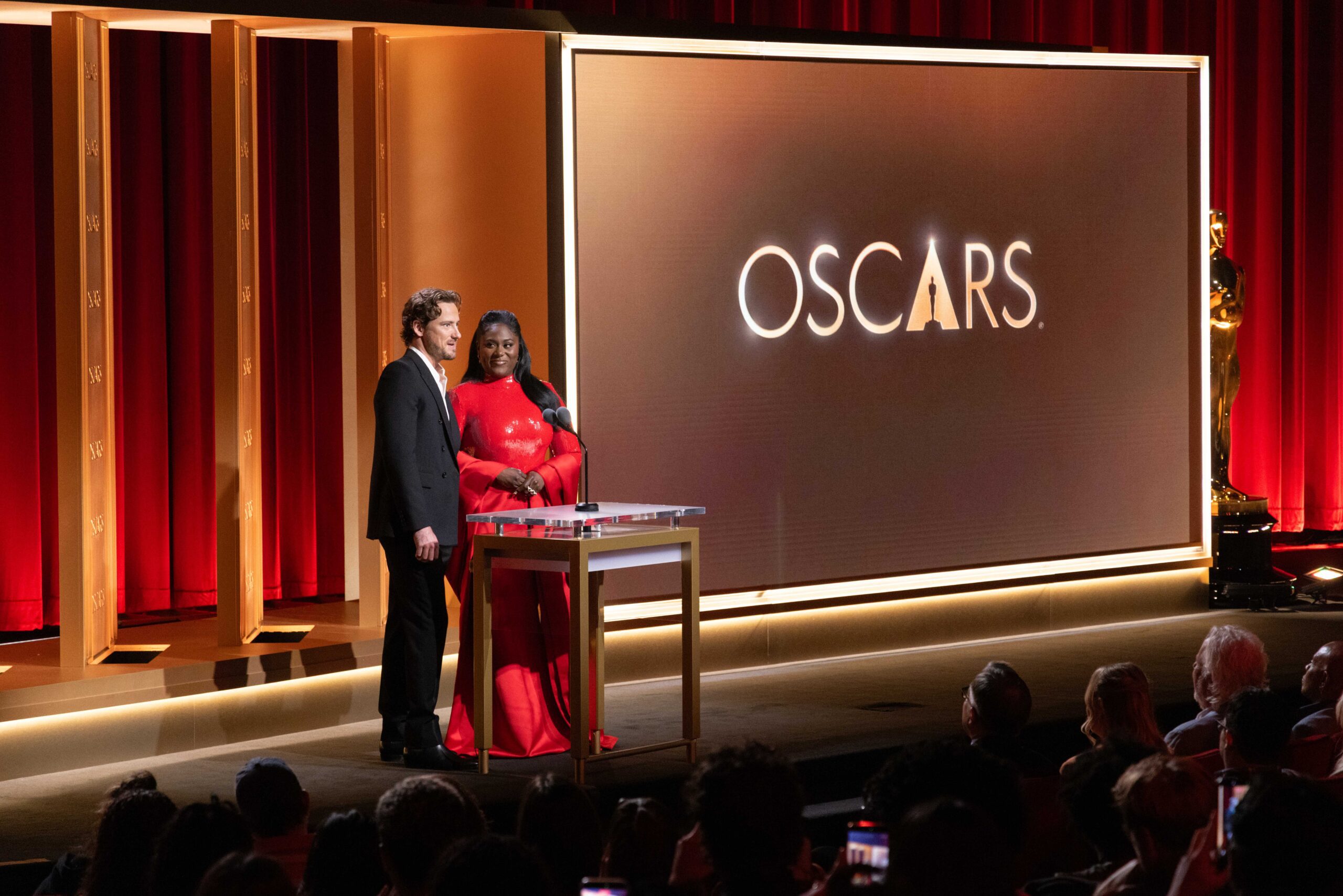
It’s lovely. Awards get me going because I never want to think something is better than something else, because it’s all good. But to be recognised is lovely and I’m so happy for everybody.
How did it feel to be longlisted for the Academy Award and also be nominated for an Artios Award for your work on Sentimental Value?
I love this film so much. As a casting director, I read the script and then a year goes by, so I have no expectations of what the film is. Sometimes I’m incredibly surprised. [Sentimental Value] is the most important and beautiful film and to be part of it means a lot to me.
What roles did you cast in the film?
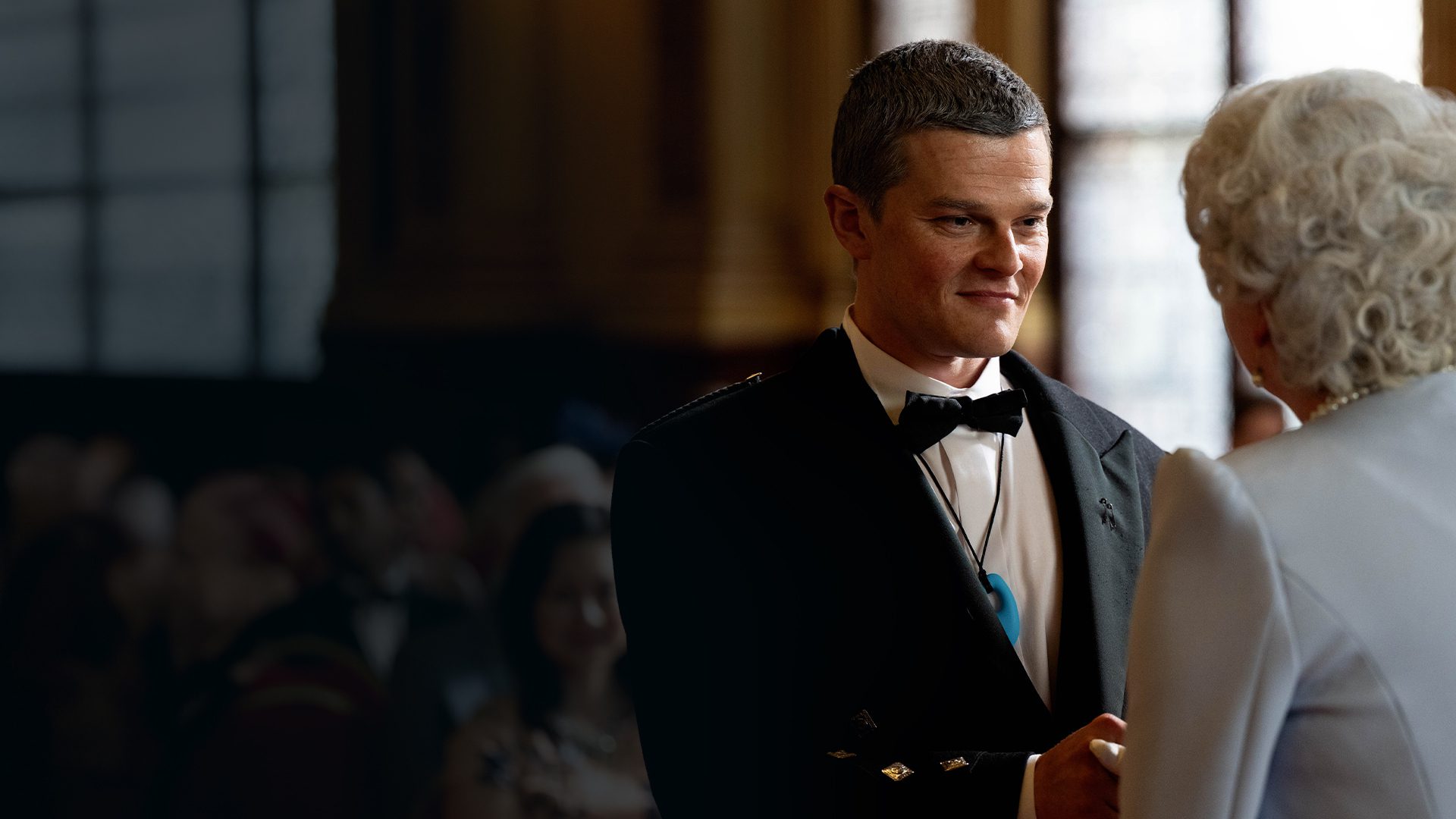
I cast a couple of supporting parts as well as ‘Rachel’. The most inspiring part of casting the role of ‘Rachel’ is [in the film] when she walks in, you almost think she’s going to split the family apart and she actually brings it together. It was such a pure script and it was effortless, the way that Elle [Fanning] played it.
What was your approach to casting Sentimental Value?
I read the script and I broke it down in my head. Then I had many conversations with Joachim about how he saw the characters, and the characters that I was responsible for [casting]. You put your ideas together and we worked on it. When I met with Joachim, he let me know that he was speaking with Renate [Reinsve] and Stellan [Skarsgård], so I knew the bookends. I was responsible for ‘Rachel’ and I just proceeded in my own way.
I don’t even know when an actor passes on something that I’m working on. Even if I have nothing to do with it, I’ll go like, “Oh no,” and I’ll take it personally, and the director will take it personally. But I need to believe that if an actor passes on something, they know it’s not for them, and we need to trust that.
What was it about Elle Fanning that made you think she was the ‘Rachel’ you were looking for?
I cast her when she was 10 years old in Phoebe in Wonderland. Watching her grow up and turn into a lovely actor, she has an honesty and a pureness. I didn’t know how she was going to play the role, but I just believed in her.
How did you present your suggestions to Joachim?
He came to New York and I worked on [my suggestions] in preparation for his arrival. We went through a lot of names and we looked at a lot of materials for actors. All of a sudden, he wanted to make the offer to Elle [Fanning]. That was the process for this film.
I’ll just say, every film is different. My relationship with every director is different. I rely a lot on my instincts and my heart. It’s the freedom to suggest things, things that you may question yourself [about], but the freedom to have conversations with the director.
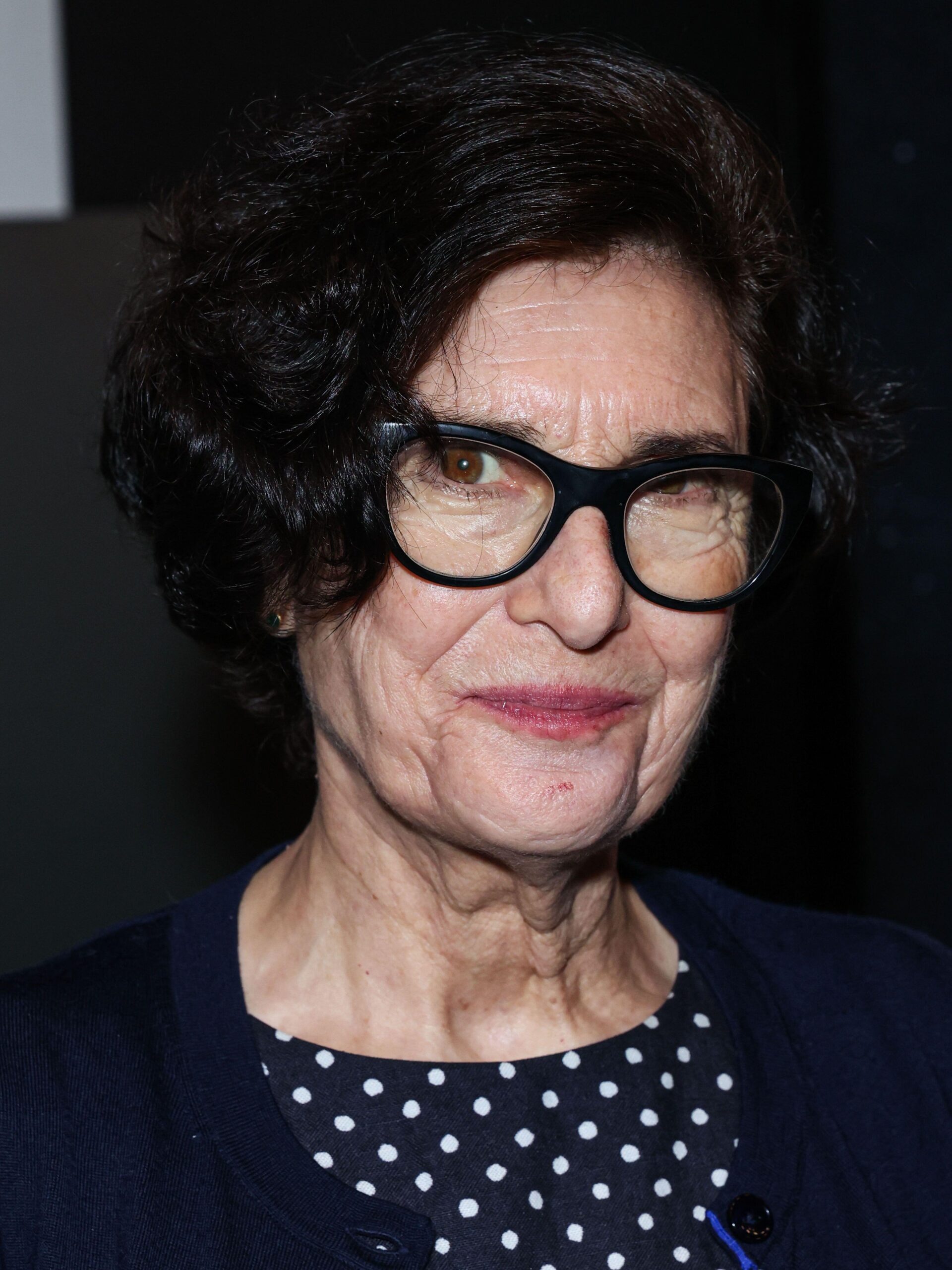
Image Credit: Image Press Agency/Alamy Live News
What do you think are the benefits of collaborations between U.S. and European casting directors?
I’ve shared credit with a lot of European casting directors, whether I come on board first and I hire them, or a production hires them. I’m sure there can be some tricky ensembles, placing people together, but I got to know Yngvill [Kolset Haga] after the casting and I thoroughly enjoyed the ending process of supporting the film together.
There were a lot of investors in the film; does any of that impact the casting decisions, or is it purely you and the director?
What a beautiful way to make a film that’s so important for us. It’s so different in America because when I’m casting an independent film in America, I will hear, “No, no, no.” On Sentimental Value, I heard nothing. It was so spotlessly beautiful and I didn’t hear, “We must do this. We must…” I hope that Joachim had total freedom.
How do you use Spotlight in your casting process?
I love Spotlight. I feel I should go on a podcast for Spotlight! I have worked with your people for over 20 years, even when I wasn’t casting in Europe. But I’ve been so fortunate to cast across the pond many times. I adore the way that Spotlight works. I find it simple and easy and smart, so I love it.
What part of a performer’s Spotlight profile is most important to you?
I really study the resume and study the actor. I go a lot on a face and a resume. With headshots, it’s about honesty and if you really look like that.
Mostly [casting a role] is specific, but sometimes [the part] is written as a man and you’re suggesting a woman or vice versa to try to see something differently and more diversely. So, if I’m looking at faces on Spotlight and all of a sudden someone is talking to me, then I’m going like, “Wow, what if we went in that direction?” It’s really just covering the group that’s presented to us.
How do you approach seeking out new talent?
I’m not the greatest at social media, so I rely on my office to search on social media and bring that to me. For me, it’s really using the theatre, television and film. I’m sure I still work in an old-fashioned way.
I’ve done a thousand searches for children and I used to walk the streets and have a card on the subway [but now] people don’t trust it. You don’t go into schools anymore like you used to. I don’t often pick people up off the street. Sometimes, I’ll stare at somebody on the subway, going, “Oh my God, they’d be great for that.” And then I’ll walk over to approach them and they’ll just walk away. The world has changed. The trust in the world has changed. That used to be a brilliant way for me to discover young talent and talent, period.
How did you get started in casting?
I fell into it. I wanted to be a dancer and I came to New York to study dance. I had been introduced to somebody that brought me into advertising and I started in a casting department in advertising. I kept bringing in people who were beautiful actors. I left and I did extras casting, I did location casting, and then Jodie Foster trusted me with Little Man Tate. That was one of my first big films, and I climbed the ladder.
What are some of your favourite projects you’ve worked on?
The Ice Storm, Brokeback Mountain, Lincoln, My Blueberry Nights. I’m so proud of the people that I’ve worked with in all parts of the world and it’s interesting because projects that were brought to me early on, they all meant something to me. I’m happy I wasn’t offered things that didn’t mean anything to me because I might’ve had to take them just to put my kids through college! There’s something very sensitive for me about the projects that I’ve worked on, they deal with important inspiring topics – I want to help the world in any way I can.
What’s your preference when it comes to self-tapes or in-person auditions?
We’re not back in the office like we were before COVID, which saddens me. We still do a lot of self-tapes because, I’m embarrassed to say it, you see more. People from all over the world can submit and it’s not just in my office in New York. I always ask actors if they want a Zoom read if they’re not in New York or if they must be in the room, I do want to offer that.
What can actors auditioning with you expect?
I want to make them feel comfortable, so they can just improvise. It’s better to be off-book because it gives actors freedom, but that’s a lot of work that I’m handing them – I do feel that. I don’t want them to feel anxious about remembering whatever. It’s most important that they feel comfortable, then I can bring out what I can in them.
What have you seen recently that you’d recommend others seek out?
I just saw Oedipus – phenomenal acting and phenomenal story. You walk out of the theatre and you’ve grown. Something has changed in you, which may last a minute or it may last forever, but just the inspiration. So that’s been on my mind because I just saw it the other night.
Avy Kaufman’s Insights:
- Prioritise “honesty” in your headshots and Spotlight profile. Avy looks for a face that “talks” to her and a profile that accurately reflects who will walk into the room.
- Being off-book grants you the freedom to improvise and stay “effortless” in your performance, which helps casting directors see your true potential. However, casting directors want you to be comfortable, so don’t put too much pressure on yourself if there’s a short turnaround time.
- Trust the process when a role doesn’t land. Avy believes that if an actor isn’t right for a part, it’s often because the project simply wasn’t their perfect match.