Billy Barratt discusses his latest roles in ITV’s ‘Gone’ and ‘The Chaperones’ and how he’s evolved five years after his historic Emmy win.
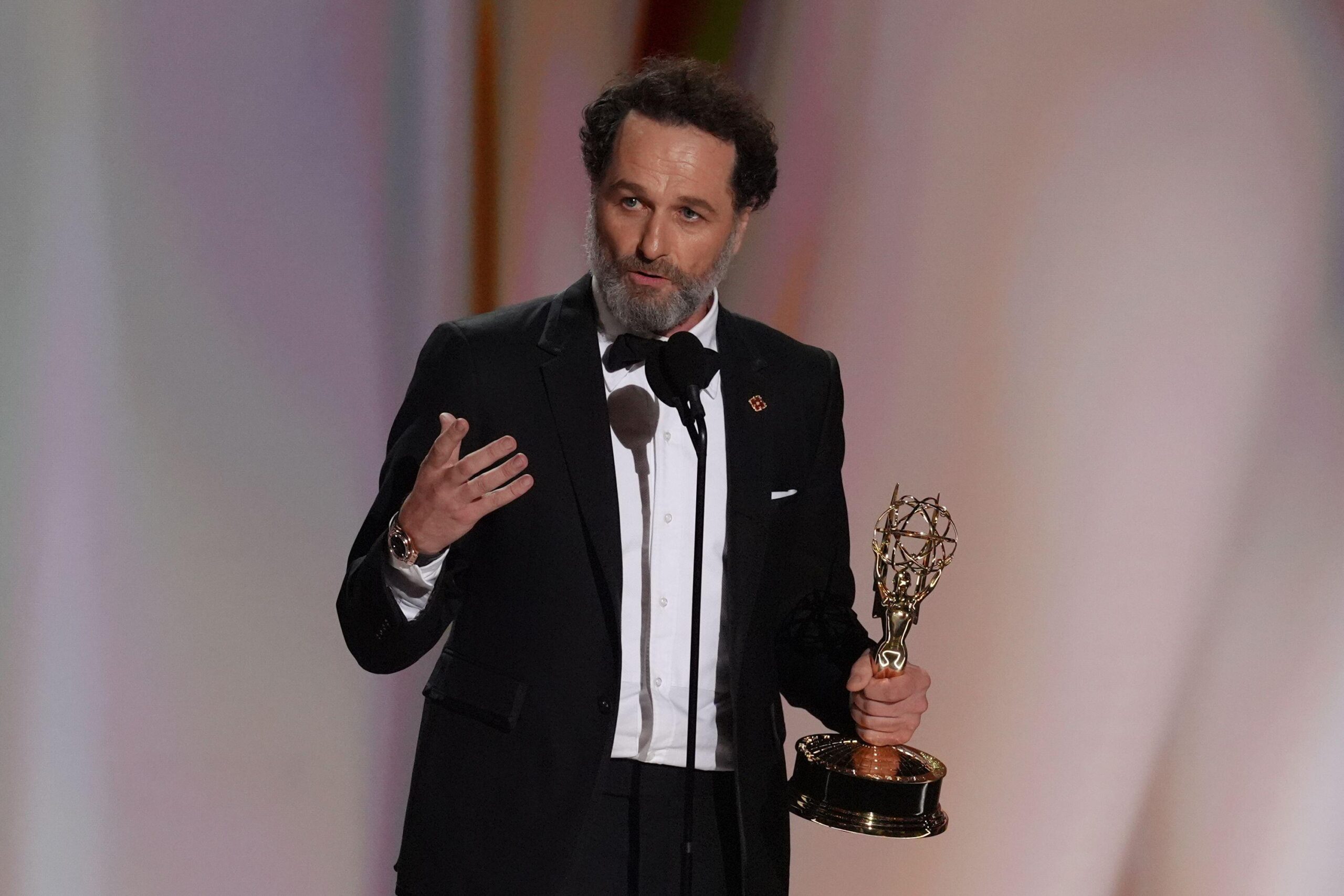
The last time Spotlight sat down with Billy Barratt, he was a 13-year-old making history as the youngest-ever winner of an International Emmy. His haunting performance as ‘Ray’ in Responsible Child had catapulted him into global consciousness.
Five years later, Billy hasn’t just grown up; he’s built a formidable, eclectic body of work. From the high-stakes sci-fi of Disney’s Crater and Apple TV+’s Invasion to the gritty, collaborative energy of the Philippou Brothers’ latest horror, Bring Her Back, he has moved seamlessly between indie darlings and blockbuster sets.
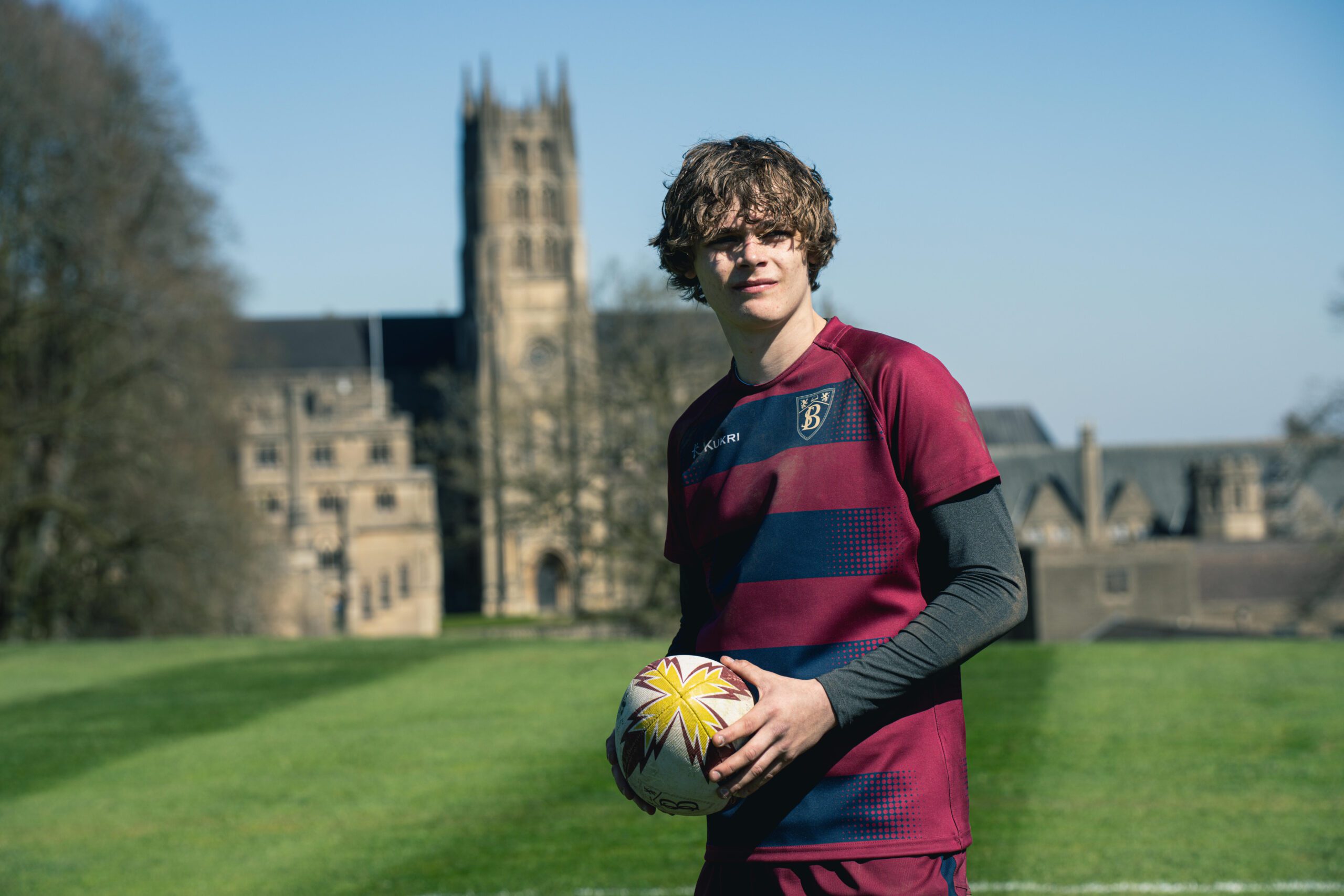
Off-camera, he’s just as busy, swapping film sets for the recording studio with his band, The Hunger. But it’s his latest turn in ITV’s mystery-drama, Gone, that sees him returning to his roots in nuanced, character-driven drama. Playing ‘Dylan Sedgwick’ – a private school rugby star struggling with academic pressure and a fractured home life – Billy proves once again that his greatest strength lies in his instinct.
We caught up with Billy to discuss the “organised chaos” of a television set, the lessons learned from actors like David Morrissey and Eve Myles and how he’s learned to trade the weight of expectation for the thrill of the moment.
Interview Insights:
- Billy discusses his transition from a history-making child actor to an instinct-driven performer.
- Insight into Billy’s preparation for the role of ‘Dylan’ in the ITV series, Gone.
- The importance of having a creative life outside of acting.
- Billy’s experience working on The Chaperones alongside Paul Dano and Cooper Hoffman.
Hi Billy. What did the audition process look like for your role as ‘Dylan Sedgwick’ in ITV’s ‘Gone’?
I did a self-tape and then I went to the Spotlight Studios in Soho and that’s where I met Mr. Laxton [the director]. If I’m honest, I thought I’d messed up the whole audition. When you think that you’ve messed up because maybe you weren’t in your head, those are usually the ones you get. It was definitely one of those auditions and luckily, I landed it. Richard and I got on really well.
How was the shoot?
We were in Bristol for around a month. It was good for me because I stayed down there until the weekend and then I was able to come back to London. I loved being able to just come home on the weekends and then just fully immerse myself in the work during the week with no distractions.
What does a day on the ‘Gone’ set look like?
You wake up very early, depending on the call time, but not as early as the rest of the crew. You’ve got to remember that there [are] so many people on a film set who are there before you, they’re running around, and it feels very chaotic. But it’s an organised chaos because everyone is doing their bit.
I go to my trailer, put on some music, usually really loud, and then maybe do some push-ups to get the blood pumping. Then, you go to the make-up trailer and while the make-up’s going on and the hair is getting done, you’re kind of picturing the character that you’re trying to embody. Then you go back to the trailer, put the costume on, and that’s when you’re really looking at yourself like, “Okay, this isn’t Billy anymore, this is someone else.”
How did you prepare your character?
I spent most of my time trying to understand this obsession with rugby. The guys in the school team are real rugby players, so I sat with them all day talking about rugby. I listened to how they talk to each other and tried to immerse myself in their friendship group. We had some good laughs and I still talk to some of them.
I’d just landed The Chaperones and whilst I wasn’t doing the character prep at this point, I knew that ‘Dylan’ had to step into a new world of getting his head down in a book, revising and learning for these exams that he has to pass. I don’t read books much and my friend bought me On the Road by Jack Kerouac in preparation for The Chaperones, so in between takes, I would read that book. Because I don’t read much and ‘Dylan’ doesn’t get his head down much, I thought, it would be a good way to relate to him.
You’re working with David Morrissey and Eve Myles on ‘Gone’. Was there anything specific you learned from being on set with them?
David Morrisey doesn’t stay in character, but there’s always an element of his character in him while he’s on set. It’s hard to explain because you can still have a laugh and chat to him, but it’s also him. Do you know what I mean? He kind of is the character.
Eve is interested in other people and is always talking to people in between takes, which I actually think is a really good way to relax when you don’t know many people in the room. It just opens up this space in your mind where you can rely on instinct instead of thinking about the character or getting too wrapped up in the emotion.

Photo credit: Nicholas Dawkes
What’s your process for navigating the emotional weight of intense roles?
I think the real question is, how do you leave it on set? For me, it’s music or talking to people. Maybe cooking instead of ordering a bunch of fast food. Just do something for myself and just take it back to “This is what I do when I’m at home.”
How do you adjust the size of your performance from a gritty drama like ‘Gone’ to an epic like ‘Storm Rider: Legend of Hammerhead’?
I feel like the initial read of the script, without playing the character, is like reading a book. The whole time you’re visualising what it’s going to look like, what it’s going to feel like. The second read, you can get a little more into it and then the third read, I start working on the character. I like working off instinct and so, whatever I visualise first is usually going to be it.
How has your approach to preparing for a role changed since you started out?
When I was younger, I tried to play the emotion of the character, but nowadays, I feel I’m playing the situation and the actual scene itself more. It really just involves knowing your lines, how to walk or breathe or whatever, and then your job is to listen, not just to the other actor, but to the room around you and feel the space you’re in. If you can relax, then the emotion just kind of follows. I’m still working on this, by the way! I haven’t mastered this yet, but it’s definitely a technique that I’m working with at the moment.
Do you think acting is ‘it’ for you?
Yeah. There’s this weird tense feeling in my stomach and it’s not a very nice feeling, but I only get that when I’m not working on a film set. And when I am, it feels like a weight is off my shoulders. I can take a breath and it’s like “Right, now we’re working.” That’s what I love and what I’m chasing.
At the same time, I’ve got the band as well, and that’s a great way to navigate those weird feelings. And also going out and living and getting experiences by meeting new people at the pub or, in the park or at events. But this is definitely it. I didn’t do very well in my exams. Acting and music is all I know.
What’s your acting ambition?
Stage is something I really do want to do, but if I’m honest, I’m so scared of being on stage in front of that many people. I did it once and I’m going to go back to it at some point, but right now, I feel like there’s some sort of understanding I have when I’m on a film set and how to do it.
Did you feel any sort of pressure after winning the International Emmy?
I understand why there could be pressure, but I didn’t feel any around that time. At that point in my career, and at that age, I was just starting to take acting a little more seriously, so it was more of a reassurance that I can do it.
Spotlight: I ask because, with Owen Cooper winning the Emmy this year, it feels like a lot to handle.
I think it’s different for him because he isn’t just winning awards; he’s being thrown into the deep end with people like Leonardo DiCaprio and Stephen Graham. When I won my Emmy, it was during the pandemic, so the ceremony was all on Zoom and I was just sitting at home. [Because of that] I don’t think I can fully understand what he’s experiencing right now – he’s probably feeling the pressure much more than I did.
How do you handle the post-audition period?
It’s inevitable that it’s going to be on your mind. I think staying creative is really important because if you can build experiences, that’s inevitably going to help your art. Watch films, watch bands, go to parties, write – I’ve started writing a journal cos it’s good to get all these feelings out and it helps with music writing as well – meet people, cook, just get some real life experiences! For me, it’s just being a kid again. I’m skating at the moment, so that’s a new hobby.
There’s nothing you can do about the audition afterwards; it’s out of your control, so doing other things is really important.
What’s the best piece of acting advice someone’s given you?
Get out of your head and make it more instinctual. When you have a conversation in real life, you react with instinct, so why not do that for the camera? The camera will do its job if you’re doing yours.
What would you say is a reality of the industry that you think actors starting their careers should know?
Casting directors are looking to hire an actor; they want you to get the role. Even though auditions are terrifying – and they probably always will be – you have to remember that they want you to get the job, so all you have to do is go and show them that it’s your role!
What’s next for you?
The Chaperones, which is from Robert Pattinson’s production company, Icki Eneo Arlo, is coming out towards the end of the year. The character I’m playing is a naughty kid, so it’s Paul Dano, Cooper Hoffman, David Jonsson and I in a van together as they’re taking me to a wilderness retreat. They all have their own individual problems in life and it’s about that journey with all of these misfits together. I loved playing that character and I loved being in the van with those four.
There [are] a couple of other things I’m working on at the moment or about to start production on, but I can’t really speak about those right now.
And finally, is there anything you’ve watched or listened to or read recently that you’d recommend to others?
I was meant to go and see Hamnet at a screening that my friend was putting on and sometimes, an actor will come and talk about the movie. I sat in my chair, I got my popcorn ready, then I saw Riz Ahmed was going to be there and it’s actually Hamlet! And I’m like, “Oh no, I’m going to have to sit through Hamlet for however long it takes with the Shakespeare dialogue and whatnot.”
I ended up watching it and it was just brilliant! I find it hard to understand Shakespeare, but their take on it just made me have a realisation of “I do get this. I do understand it.” I spoke to Riz very briefly afterwards and he’s a very intelligent dude and very inspiring. I admire him.
I think Hamlet is one that people should watch. I still haven’t seen Hamnet…
Whether he’s crammed in a van with Paul Dano and Cooper Hoffman or accidentally finding himself inspired by a Riz Ahmed-led Shakespeare screening, Billy’s approach remains refreshingly unpretentious.
By embracing the quiet moments – the cooking, the skating, the journaling and the “just being a kid again” – he has found the secret to longevity in a high-pressure industry: You can’t portray life if you’re not out there living it.
With several secret projects on the horizon and a newfound appreciation for the Bard, Billy Barratt isn’t just an “award-winning child actor” anymore. He’s a versatile artist who is mastering the art of trusting his instincts, letting the camera capture the raw honesty of the moment.
Key Takeaways:
- Trust your instincts. Billy emphasises that while preparation is vital, the most authentic performances come from reacting naturally.
- Maintain a life outside of the industry. Whether it’s skating, cooking, or playing in a band, having hobbies and a social life away from film sets provides the emotional reservoir needed for acting and helps manage any post-audition anxiety.
- See auditions as a partnership. Casting directors want to find the right person for the job, so reframe auditions as an opportunity to show that you’re the solution to their problem.
- Value reassurance over pressure. For young actors, every “win” – whether a major award or a successful self-tape – should be used as fuel to keep taking the craft more seriously rather than a reason to feel pressured by expectations.
You can catch Billy in ‘Gone’ on ITV, ITVX, STV and STV Player and look out for ‘The Chaperones’ playing in cinemas later this year.