The enduring great British pantomime is much more than just festive fun: discover the history, essential characters and the £60 million economic power of panto.
For many of us, the annual trip to the panto is a core part of the Christmas season, forming a treasured family memory and often sparking a lifelong passion for theatre. This unique British tradition, with its familiar slapstick and colourful characters, is much more than a bit of festive fun. It is, in fact, a crucial, income-generating phenomenon with a fascinating history that continues to be the very lifeblood of our performing arts world, as Spotlight’s Kelly Wiffen explains.
What you’ll discover in this article:
- The origins and evolution of pantomime: how it grew from a winter theatre filler into the Christmas family tradition we know today.
- The essential, recognisable characters and core elements of a pantomime, including the Panto Dame, the Villain, and the importance of audience participation.
- The significant economic power of pantomime, including box office income figures and its role in contributing up to 50% of a UK theatre’s annual revenue.
- How pantomime acts as a crucial source of professional work and skill development, providing actors with long contracts and valuable exposure on major stages.
- Pantomime’s cultural importance as the first introduction to theatre for many people, helping to build a lifelong appreciation for the performing arts.
As a child growing up in Wimbledon in the 1980s and 90s, I had access to two theatres – the Polka Children’s Theatre and Wimbledon Theatre. Even though my family didn’t have much money, I was lucky enough to go to the Polka with my school and Wimbledon Theatre as a Christmas gift with my family (thanks to my Great Aunt). Wimbledon Theatre at Christmas meant I’d get to see a pantomime, which was always glorious. I saw so many of the great panto legends like Ken Dodd, Gary Wilmott, Roy Kinnear, Bernard Cribbins, Derek Griffiths and Bonnie Langford. There was always a Dame – although the risqué humour was often lost on us kids! – and us shouting the classic, “He’s behind you!” We always had a fantastic time.
As soon as my kids were old enough, I took them to see pantos. Whether it’s the glossy, slick, pyrotechnic displays at Wimbledon or the classic, wink-and-a-nudge fun at Richmond Theatre, our family tradition continues. These shows play to a packed house every year, and no one leaves without a smile on their face.
The Origins of Pantomime
Pantomime has strong roots in the UK. As early as the 1600s, recognisable panto characters began appearing on UK stages with an acrobatic Harlequin being the main draw. Joseph Grimaldi developed that character further in the late 1700s, making it more of a recognisable clown and that began the slapstick origins of many of the panto characters we know today.
It wasn’t until Victorian times, however, that we see the resemblance to the modern pantomime. Prior to the Theatres Act 1843, it was prohibited to produce dialogue-only performances without a Royal patent. When this was lifted, word play, puns and audience participation could be freely embraced.
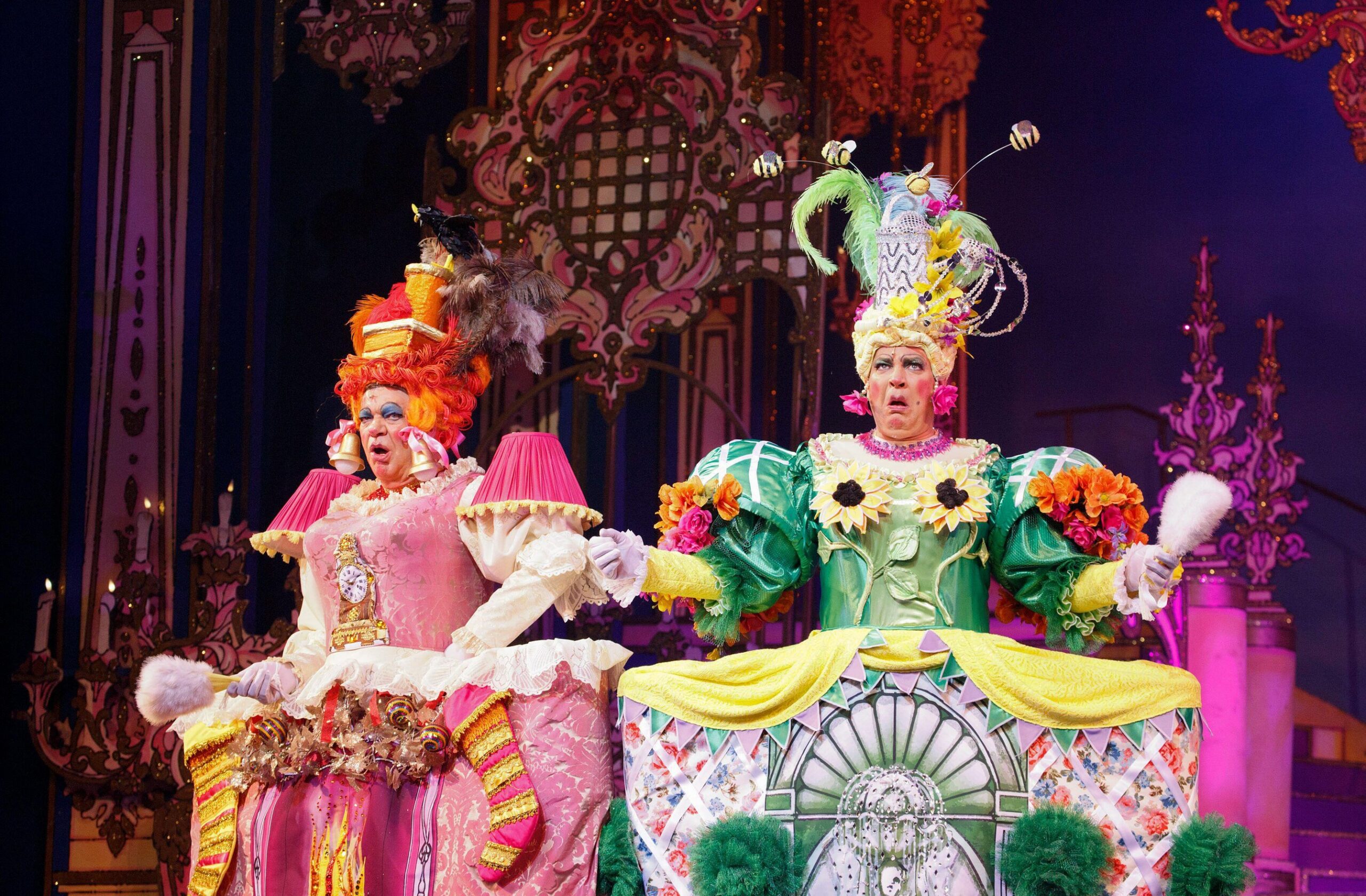
By the 19th century, London theatres were putting on shows that lasted up to five hours, had huge casts, elaborate staging and tricks to wow the audience. But it was the creation of the panto Dame in 1837, with its gender-switching, that became the mainstay of any show. Having seen Christopher Biggins and Danny La Rue play Dames at Wimbledon Theatre, and more recently Paul Merton at Richmond Theatre, they’re often the heart of the production. They provide the focus for audience participation, the rude humour and are the linchpin for much of the action that drives the story. A great panto Dame can make a good show into a fantastic one.
Panto’s Essential Ingredients
Pantomimes were originally developed as a way to fill seats during the cold, winter months when it was difficult to get patrons into the theatre. These shows slowly became tied to Christmas and they became events for family-focused festive celebrations.
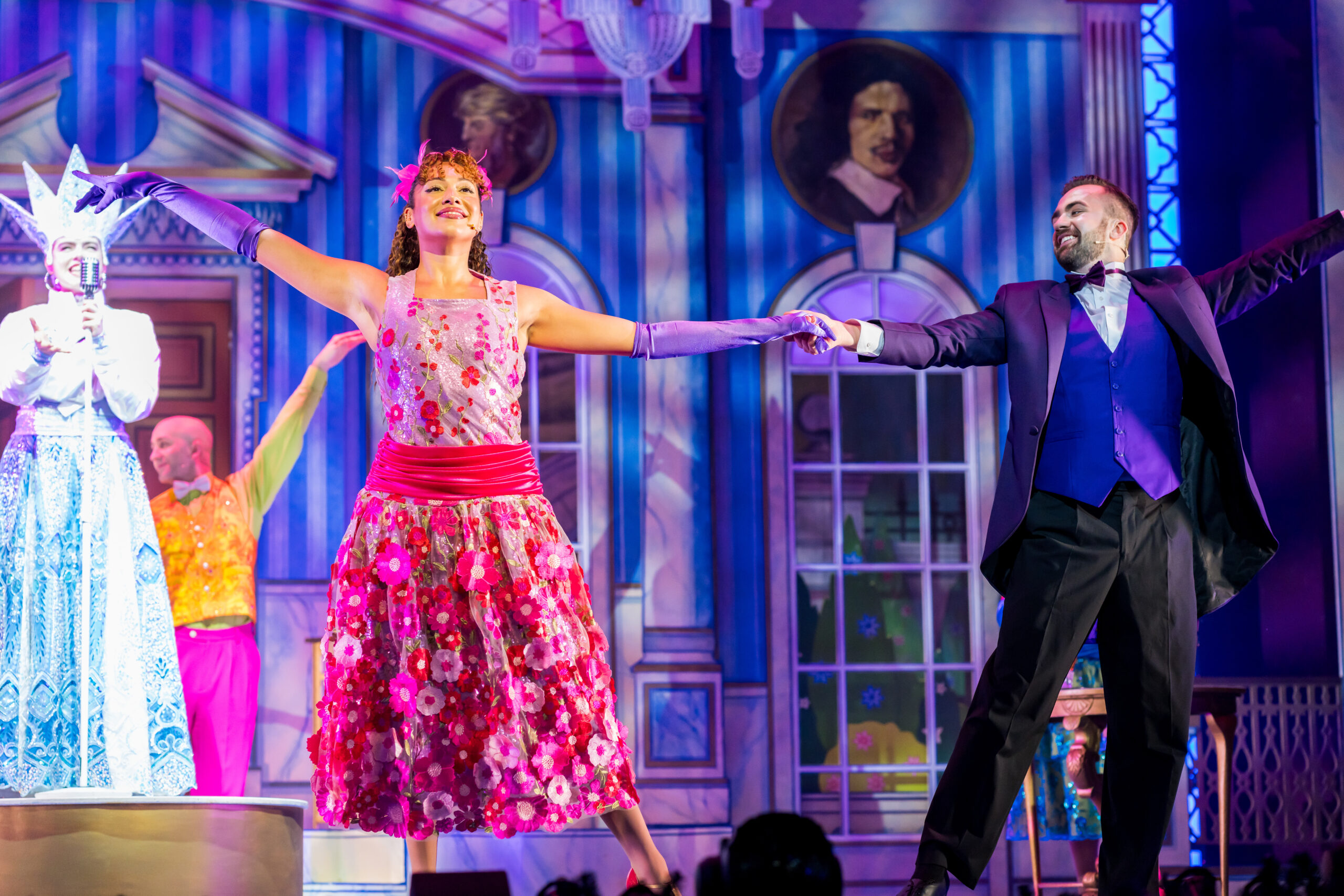
All pantos have recognisable components that everyone, whether they have seen one or not, will appreciate: the panto Dame, the hero (often a female Principal Boy), the heroine and a villain, as well as a chorus and other supporting characters. There will be singing, dancing, jokes and the audience booing and hissing whenever the villain is on stage.
Through inexperienced eyes, panto may seem a bit cheesy. But it continues to be an important source of income for theatres and even more so for many performers.
Pantomime’s Economic Power
With rehearsals and performances, securing a role in a panto can often mean two months of solid work (and pay) on some of the best stages in the UK. It’s a unique opportunity, providing skills development, stamina (much needed for stage work) and exposure.
It’s estimated that around 260 professional pantos will be staged this Christmas in the UK, generating over £60 million in box office income, reaching over 3 million people of all ages and employing thousands of performers and stage crew. Pantomimes will contribute anything between 30% and 50% of a theatre’s yearly income, helping to support them throughout the rest of the year. Income will not only come from ticket sales, but also from merchandise, refreshments and other items such as programmes.
Pantomimes, therefore, are the lifeblood for many of our theatres.
Building A Lifetime Love of the Stage
Going to the panto will be many people’s first experience of the theatre and for many others, it may be the only trip they manage. Panto may be a child’s first introduction to the theatre, and like me, it can begin a lifetime love of all types of production.
It deserves to be recognised for its fun and enjoyment across all ages and as a significant cultural event in the UK. The anarchic humour, with jokes changed on a daily basis to reflect current events, and the coming together of people to laugh and join in, panto really should be celebrated for all its glory.
So, let’s all give a standing ovation to pantomime, a truly “he’s behind you”, unique theatrical experience that continues to bring joy to generations.
Getting Started in Panto
If you’re a performer looking to get involved in this unique and vital British theatrical tradition, panto offers an incredible chance to develop your skills, build your stamina, and secure some solid work over the winter season. It’s a fantastic, albeit demanding, job that can provide invaluable experience on some of the UK’s best stages.
- Embrace the stamina and schedule: Prepare for up to two months of solid work with intense rehearsal periods and a packed performance schedule. This is your chance to build the stamina necessary for stage work, so treat the run like an endurance challenge.
- Master audience interaction: Pantomime is entirely dependent on the audience’s participation. Be ready to engage with the crowd, encourage the boos and cheers, and deliver the anarchic humour.
- Study the core characters: Whether you’re aiming for the Panto Dame, the Principal Boy, or the Villain, understand the established, recognisable components of these roles. Knowing the traditions will help you deliver a performance that fits the formula.
- Recognise the financial value: Treat panto as a serious professional engagement that is the lifeblood of many theatres. Delivering a high-quality performance is crucial, as you’re a key part of securing the theatre’s financial stability for the rest of the year.
Kelly Wiffen is Head of Public Affairs at Spotlight, working on our engagement with Government, Parliament and other political organisations. She engages Spotlight’s partners across the creative industries to showcase our role in the sector and is currently working on a variety of issues, including employment rights, young performers’ safeguarding and Brexit. She previously worked at both the advertising and broadcasting regulators, Equity and was Head of Public Affairs for Arts Council England.