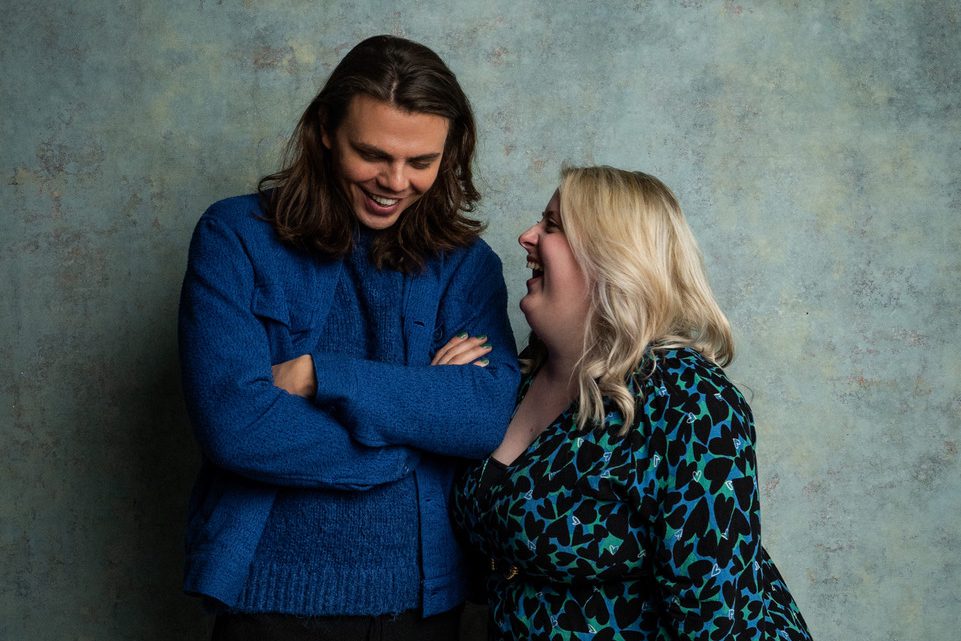
Casting directors Lucy Allen and Tom Payne discuss authentic representation and their Artios Award win for GAP Workshops.
From the council estates of Bristol to the pub-lined streets of the North, Lucy Allen and Tom Payne bring a refreshingly grounded perspective to the world of casting. After honing their craft under the mentorship of Daniel Edwards – working on industry-shaping projects like Heartstopper – the pair founded Allen & Payne. Their portfolio is a testament to their range, spanning the high-octane TV series, Grace and Bergerac, to the interactive storytelling of The Isle Tide Hotel.
Driven by a mission to dismantle barriers for marginalised groups, they’re the force behind the Artios Award-honoured GAP Workshops, providing a vital bridge for trans creatives. Whether they are scouting TikTok for fresh faces or casting Oscar-nominated shorts, Tom and Lucy remain committed to one simple rule: reflecting the real world on screen.
What You’ll Learn From This Article:
- The power of mentorship: How working on Heartstopper shaped their philosophy on authentic representation.
- Breaking barriers: The story behind the Artios Award-winning GAP Workshops for trans performers.
- The magic of casting: Insights into the discovery of Alistair Nwachukwu for the Oscar-nominated A Friend of Dorothy.
- Digital scouting: How they use Spotlight, Instagram and TikTok to find the next generation of talent.
Hi, Lucy and Tom! How did you both get started in casting?
Lucy Allen: Like so many casting people, I started as an actor. But I hated it. I knew I wanted to be in TV and film in some way, because that’s my passion, but I wasn’t aware of what options there were. I was trying to get into being a runner – I’m sure everyone knows it can be really difficult to get into this industry, especially if you don’t know anybody. Then I saw an interview in a magazine with a casting director about their job and I realised that’s my dream job!
I started to apply for casting jobs and was struggling, so I decided to move to London and used a random spare room website to see if I could rent a room at someone’s house. I emailed this woman and unbeknownst to me she was a casting director! She said, “What are you doing?” And I was like, “I’m just trying to get into casting.” She’s like, “Come and live with me. I’ll introduce you to people and we’ll help you get a job.” And she did and she helped me get my first job. Her name is Janis Jaffa and she’s an incredible woman.
Tom Payne: I was an actor. From 14, I was doing local theatre in Bristol and a tiny bit of screen, then I moved to Ibiza for a bit before moving to London. I wanted to stay in the industry but didn’t want to be an actor, so I worked as an agent’s assistant for a very short stint and quickly realised that I was not cut out to be an agent. During that time, I went through a homophobic attack and a charity helped as sort of lawyers to try and get us justice. They didn’t end up finding the guys [who] had done it, but I wanted to give back to this charity. So I was like, right, what can I do? I’ve got all these friends who are performers. I’ve got writers. I had a friend who was a musician, so I pulled everyone together and we put together a musical at The Other Palace, where we raised a nice chunk of money for this charity.
From doing that, I was like, “Casting is what I want to do.” It was during this time after digesting what happened where I started to question representation and began to understand how positive representation could potentially prevent someone else from being attacked or even save someone’s life. It was really strange how something so negative literally changed me and motivated me to try and be part of the change. I spent the next nine months emailing casting offices my CVs and one of the first people to come back to me was Daniel Edwards, and suddenly the stars aligned. I walked into that office and it might as well have rained with glitter ‘cos all of it just felt right.
How did you meet and decide you were going to found your company together?
Lucy Allen: We met at Daniel Edwards’. I was working there and when Tom started, we immediately clicked and we worked really well together. We understand and really respect each other. I think we encourage each other, but also we have weaknesses and the other has the strength for those weaknesses. We just work so well as a team.
Tom Payne: We both had a quick realisation that our taste was pretty much identical and the TV we were watching tended to be the same. A few projects had come in that were shorts and we were like, “Okay, should we do them together?” And we were lucky to be supported by Daniel. He allowed us to do these films and forge our way on our own while still working for him, which I think both of us are very grateful for. That allowed us to start the early stages of establishing Allen & Payne.
“If there’s a role for a young person, we’re very open in our search, so it doesn’t have to just be somebody who has an agent.”
– Lucy Allen
You both worked on ‘Heartstopper’ with Daniel. How did that project, which is known for its authentic casting, shape your casting philosophy?
Lucy Allen: I think it was something that was always there for us. This is turning into a love letter to Daniel Edwards, but his thing is authentic casting and he’s always been like that. I like to think that we have always been like that, but especially working for him. We’ve been heavily inspired by him and his approach to casting and so I think it was already there before and it was there during and we’re continuing it now in our approach.
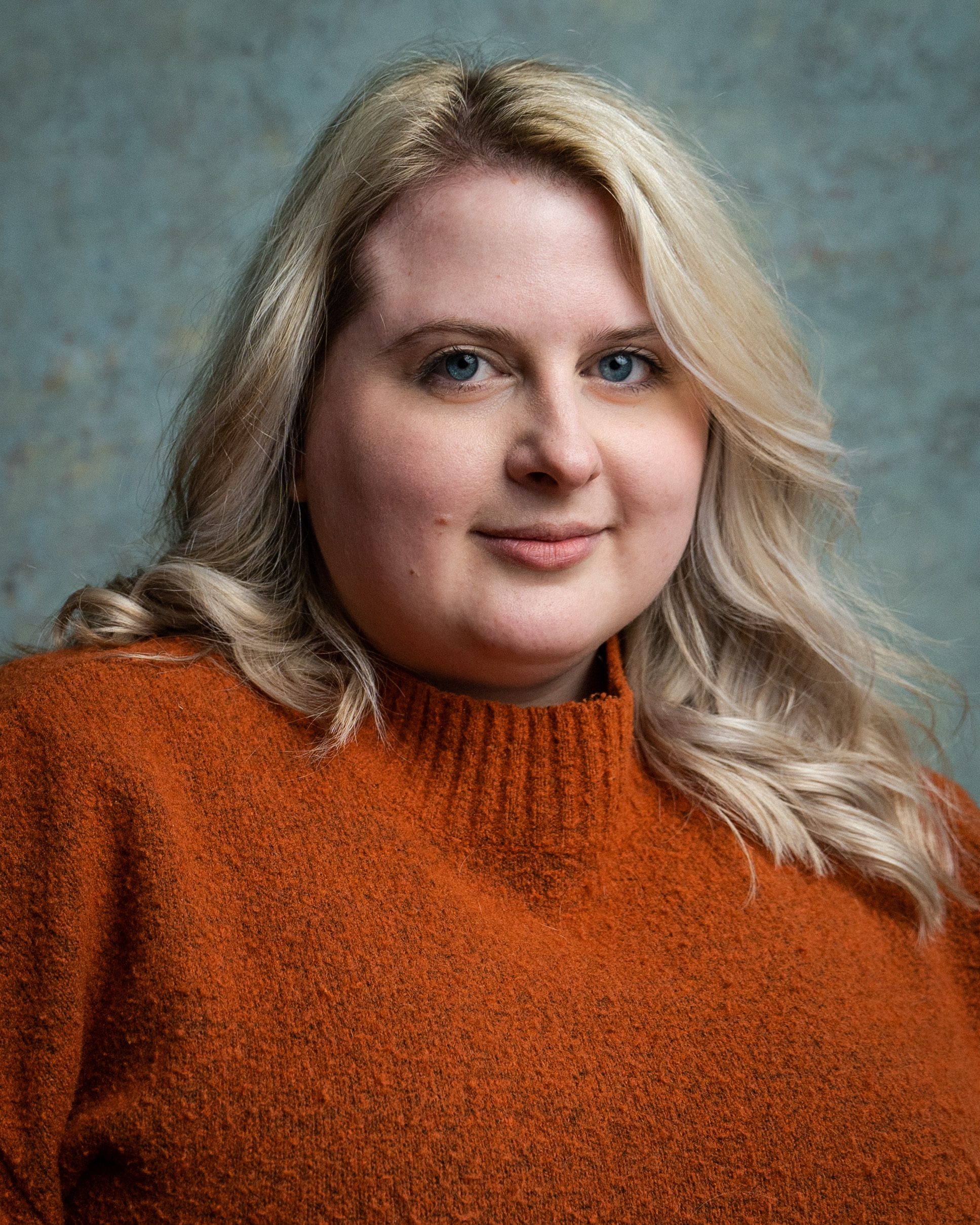
Lucy Allen / Image credit: YellowBelly Photo
Congratulations on GAP Workshops being honoured with an Artios Award. How does it feel to be recognised for your impactful contribution to the industry?
Tom Payne: I think we feel most proud that the recognition is for GAP workshops and what GAP is managing to do. It was a dream for us to get to a point with these workshops where some of the actors are working, booking agents and all these other things. It was always a stepping stone into the industry for trans actors and to give opportunity to a minority group who we feel are very overlooked in the industry. It also created this community, which we didn’t expect, of trans creatives coming together. We both feel really proud that the workshops are getting the recognition, and hopefully it can inspire others to do something similar as well.
Can you explain a bit more about the workshops?
Lucy Allen: They’re completely free. We put out an open call on social media – we have a GAP workshop Instagram page and that tends to be the first port of call. We share it with agencies and invite any actors from the trans community who feel it could be beneficial to them. It could be somebody that’s completely new to the industry who has no experience and doesn’t have an agent, right up to people who might be predominantly a theatre actor looking to move into screen, or actors who have transitioned and stepped away from acting and are returning. Anyone from the trans community who feels that it might be right for them can audition. We send out a small scene for them to audition with and then we shortlist those and offer a place to between 12 and 15 candidates each year. It’s usually six four-hour workshops, but this year we did a weekend of full-day intensive courses. It’s predominantly practising auditions for screen and camera work. We invite our casting director peers, agents, directors and industry professionals to talk to the participants. Everybody gives their time for free and we’re grateful.
Tom Payne: Every single person [who] has come along to GAP – whether that’s running a workshop, doing a Q&A – every single person involved in those workshops is the reason that they exist. It’s something we wouldn’t be able to manage, just the two of us. It really does take a village and I think the love and support that the workshops have gotten over the years – it makes me a bit emotional when you sit back and reflect on it all. It’s beautiful that people want to help in the industry because sometimes I think it’s really easy for everyone to get stuck in a negative rut.

Lucy Allen and Tom Payne receiving an Artios Award for GAP Workshops at the 2026 London ceremony / Image credit: Jonathan Birch
What do you think has been the most significant shift you’ve seen when it comes to the industry engaging with trans performers?
Tom Payne: I still don’t think representation for trans actors is anywhere near where it needs to be. When we talk about representation done positively and not just the whole story being centred around a character’s transness and trauma. Seeing trans folk existing in our worlds in smaller roles, going about their day – this is something that we rarely see and these roles, in my opinion, can be the most powerful in regards to positive representation. I think it’s so important for representation to just see people simply exist. Nobody needs to know more about anyone’s life other than what someone wants to share. Don’t get me wrong, I do think projects like Heartstopper and What it Feels Like for a Girl have been fantastic and will hopefully open the door to more opportunities, but we still have so far to go.
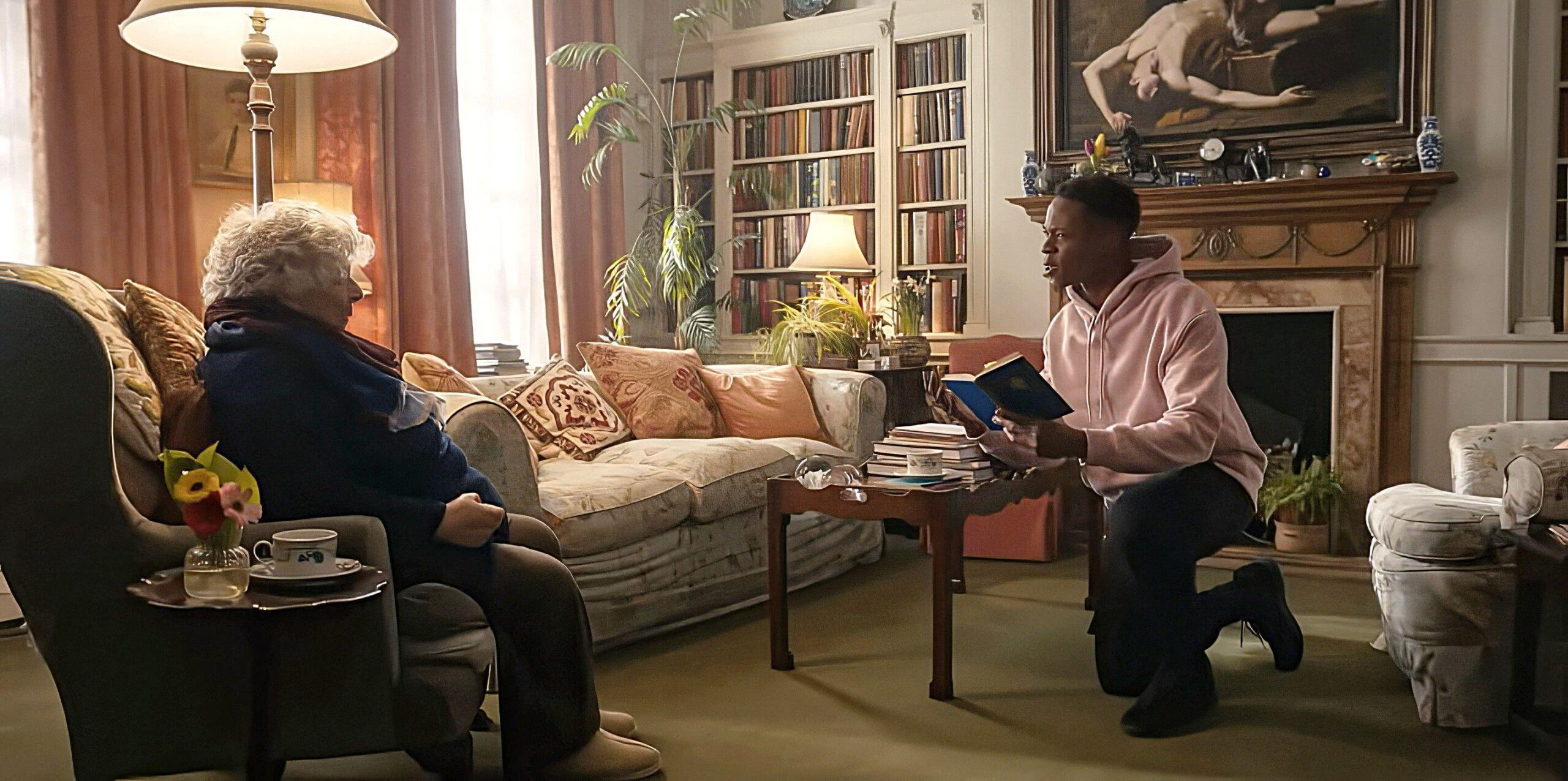
How did you come to be involved with the Oscar-nominated short film ‘A Friend of Dorothy’?
Tom Payne: Lee Knight came to Lucy and I and was like, “There’s no one else I’d want to do it other than you two. Would you be interested?” I was a “Yes” – we love to support short films and filmmakers. Not every project is going to pay the big bucks, but those are sometimes the most creative and powerful projects that you can be a part of.
It was just such a fantastic script and straight away we saw a representation that is rarely represented on screen in ‘JJ’, who is a young black man still figuring out his sexuality. We knew instantly that this was a project we wanted to be a part of. I think seeing themes of loneliness in old age, intergenerational friendship and LGBTQ+ identity, and how those merge together in this unlikely friendship is something we rarely see on screen. The journey of it to now being nominated for an Oscar is something special. We’re thrilled for Lee and the team.
What was your casting process?
Lucy Allen: We predominantly were casting the role of ‘JJ’ – Miriam Margolyes was already attached when we came on board, which was amazing, as obviously she’s phenomenal. We did an open call and we went through Spotlight. We saw so many great people, but when Alistair’s [Nwachukwu] tape came through, we were just blown away.
Tom Payne: We had an incredible calibre of actors that came in for this and I love this job! Every actor we got to read delivered something completely different and we could see so many potential, wonderful variations of this film. Alistair’s performance in the recall was very special. He had this one tear he just held during this beautiful written speech and then the tear just dropped at the right point and I think all of us in the room gasped. As soon as he left, Lee Knight, James Dean and Scottie [Fotré], the two producers, and I knew he had this thing. Sometimes it works that way, where an actor comes in and there’s just something that lands slightly different – a deeper understanding of the text, and it’s magical. That really is where the magic lies in this job. We had no chemistry tests, so seeing Alistair opposite Miriam and Steven Fry highlights how brilliant an actor he is.
“Avoid a scene that’s been done a million times. Steer clear of ‘Sex Education’ and anything that’s so familiar. Have a little look on BBC’s Writers Room and find material that really suits you as an actor.”
– Tom Payne
How do you go about seeking out new performers and giving them a shot?
Tom Payne: Usually, one of the routes is always going to those drama school showcases early and seeing who’s about. We also like keeping our finger on the pulse with who’s coming through places like Nottingham Television Workshops, National Youth Theatre, etc. We’ve also now got this fantastic network of filmmakers around us who come across new talent and say to us, “Have you seen this actor?” Lucy and I are always on Instagram and TikTok, trying to look for [people] that could be interesting, who would perhaps not have the opportunities due to them not having access or being from a marginalised group.
Lucy Allen: If there’s a role for a young person, we’re very open in our search, so it doesn’t have to just be somebody who has an agent, for example. We watch as many theatre and short films as we can.
Do you have any tips for how people can stand out if they don’t have credits or are new to the industry?
Tom Payne: Be yourself. Be authentic – that’s what makes you stand out. Don’t try and conform to what you think the industry wants you to be. For me, I’m not that interested in how many credits you have. I’m interested in your talent and in someone who has a good sense of who they are and how they bring that to a character. The best actors are the people who can merge themselves with the character. So, not trying to 100% be this character, it’s finding those bits where you can put yourself into it because that’s where the reality lies. I think people sometimes try to make themselves smaller for the sake of the job.
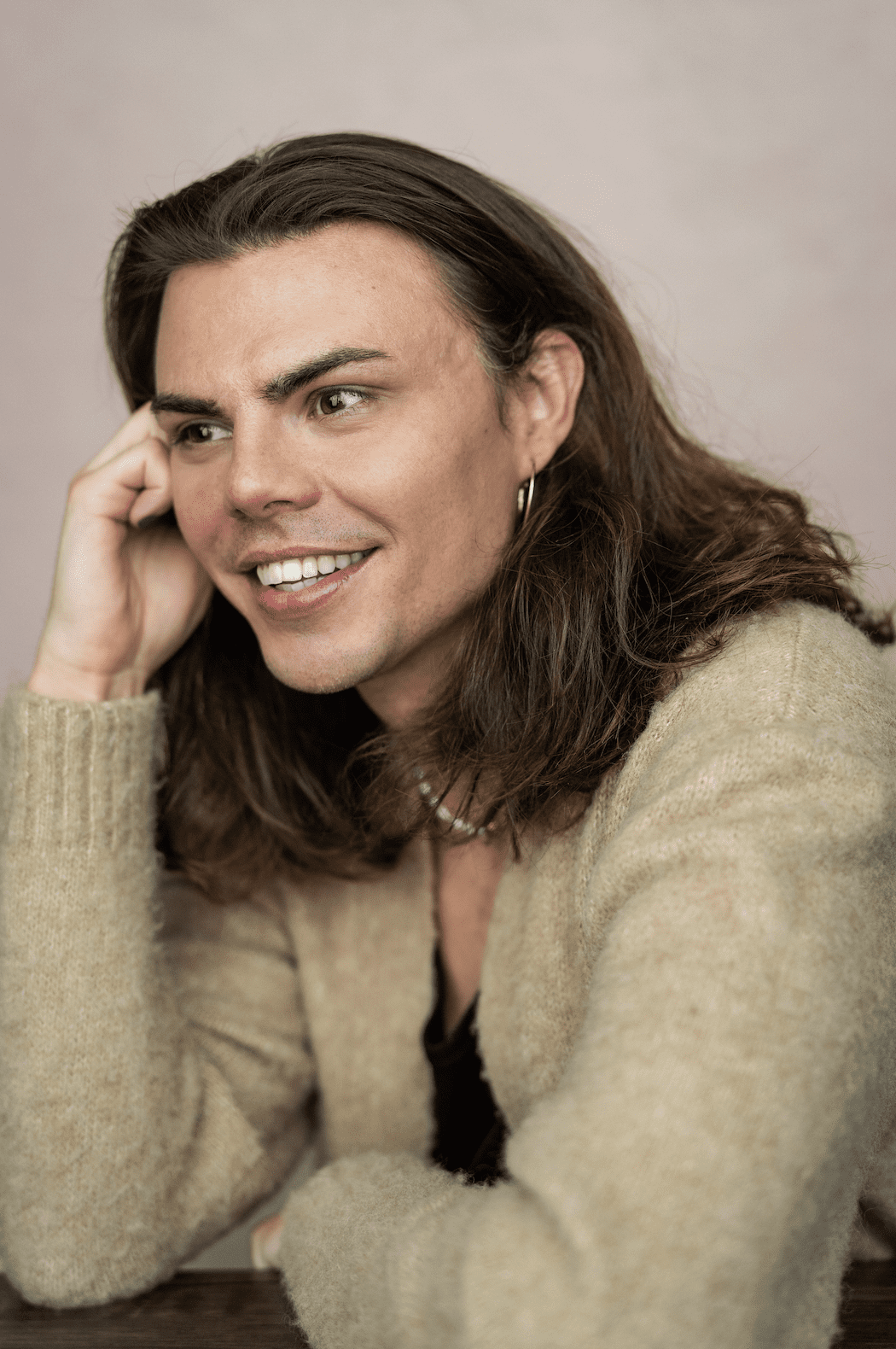
Tom Payne / Image credit: YellowBelly Photo
When casting projects, how do you balance casting established performers alongside fresh faces?
Lucy Allen: It’s not perfect, but trying to do a mixture of both. You might have ‘names’ and sometimes those names are exactly the person who’s right for the role and they’re perfect, but then it’s ensuring that other roles are opened up to people who maybe aren’t as high-profile. It’s having a diverse cast and seeing where you can find new talent and where you can include that within a cast. It’s exciting when you come across a project and you think it has to be all new people, but those projects are quite rare.
“I always really like it when actors use the tabs for TV, film and theatre credits… The tabs make it really easy for me to find that section.”
– Lucy Allen
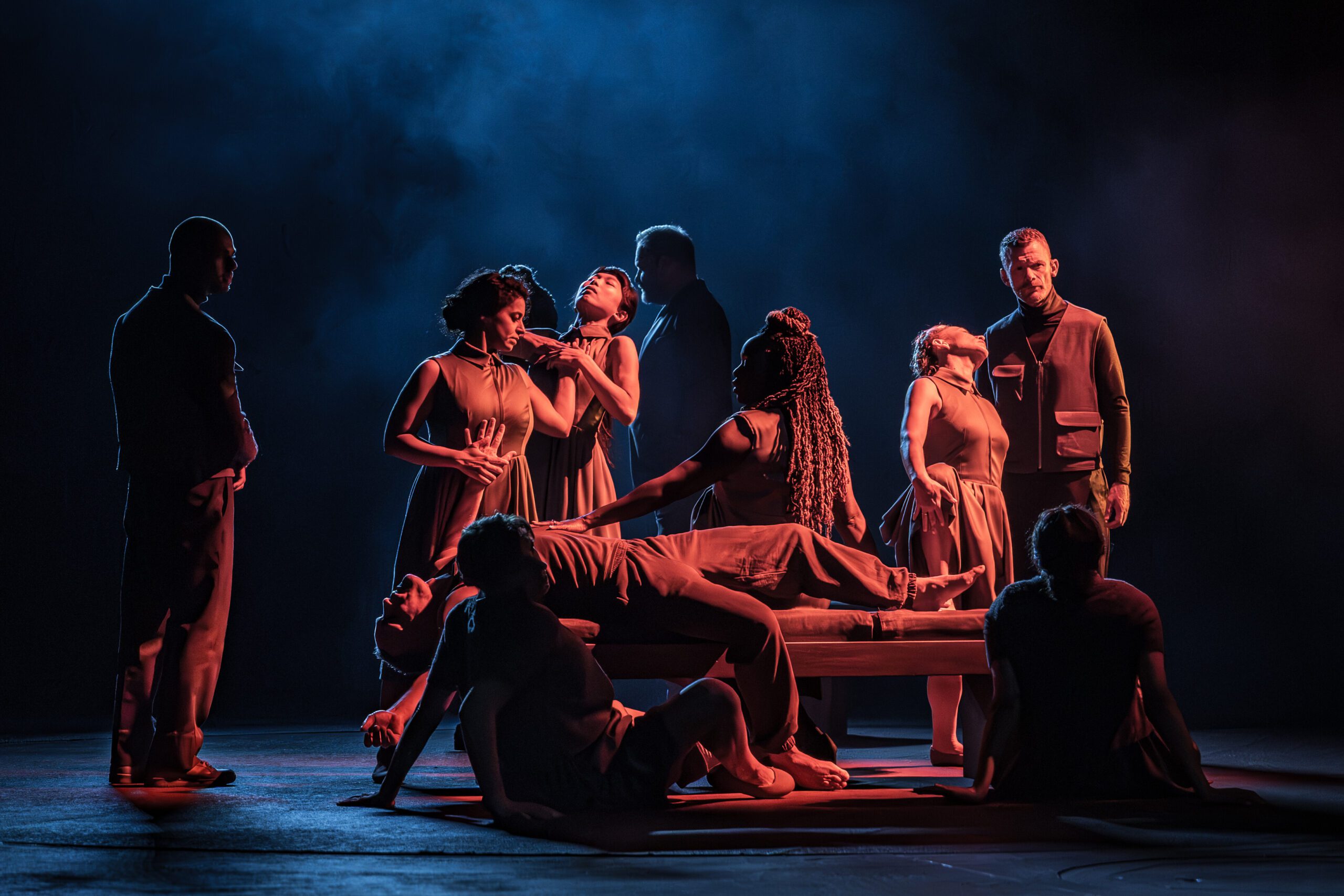
Your portfolio has a lot of range to it, including the interactive film, ‘The Isle Tide Hotel’. Does your approach to casting change for different mediums?
Lucy Allen: I think our approach is always to explore the script or the material that we’ve got and just find an amazing actor for the role.
Tom Payne: Isle Tide was such an interesting project because it was pretty much a film, even though it was a game. The setup of it is still shot the same. There was this horror-esque element, so if it’s genre-based, it’s about who fits that world.
Lucy Allen: What happens as well is that you discover things through the casting process. The casting process is also a learning process for us, so during The Isle Tide, I found that there was so much physicality that came within that project and there were actors who were amazing with that physicality, particularly theatre actors that came in and immediately got it.
How do you use Spotlight in your work?
Lucy Allen: We probably use it every day. When I’m watching TV or a film and I’m like, “Who’s that?” and then I’ll look up their Spotlight profile. We’ll always put our casting breakdowns out on Spotlight. and when we’re doing short lists and when we’re searching for someone we need to find who can juggle or whatever it is, we use search regularly. And also the studios.
Tom Payne: Spotlight is getting more and more thorough with what we can search for. It’s just so handy when we know we’re after something specific and we can just pop all that in and find however many actors that fit that. Sometimes there may be only three, but just having that opportunity to narrow it down so specifically, I think, is wonderful.
“It’s about keeping [your Spotlight Profile] authentic to who you are. It’s your business page, so think about it that way.”
– Tom Payne
What do you look at on a performer’s Spotlight profile?
Tom Payne: Always have material. Have something on there so we can see what you can do. It doesn’t mean paying someone to do a showreel for you – it could just be a self-tape you’ve done at home on your phone, it doesn’t need to cost a lot of money. Pick a scene that really reflects who you are as an actor. And on that note, a bit of advice: avoid a scene that’s been done a million times. Steer clear of Sex Education and anything that’s so familiar. Have a little look on BBC’s Writers Room and find material that really suits you as an actor. Take your time. Don’t rush it and get it right.
Lucy Allen: If you’ve had professional credits, obviously, it’s great to see those scenes.
Tom Payne: And don’t overthink your headshot as well. You only need two or three; you don’t need 15 photos. I also don’t think it’s necessary to have a photo of you in a stage production on your Spotlight.
Lucy Allen: Yeah, I know that photo looks fantastic, but we won’t be using it; it’s not useful for us. Make sure your headshot is up-to-date, in colour and looks like you. I know a lot of people love a black and white headshot and they look great, but when we’re popping people onto a list, we only use a colour headshot. If there’s not one on your Spotlight page, I’m going to have to go and find it somewhere else and so I always think you want to be in control of the photos that we use. And when I say up-to-date, I’m not saying you need to pay loads of money for your headshot every year, but just make sure that they’re not 20 years old and it still looks like you.
I always really like it when actors use the tabs for TV, film and theatre credits, so it’s very clear. We’re predominantly TV and film casting directors, so I’m looking more at your TV credits or potentially your film credits. The tabs make it really easy for me to find that section, and I’m not having to scroll through everything.
Tom Payne: And another thing, only put skills on there if you can do it. Have the exact skills that you can do and don’t worry about needing a million skills. It’s about keeping [your Spotlight Profile] authentic to who you are. It’s your business page, so think about it that way. This is you creating your brand and your identity, so make sure that the page reflects that correctly.
And finally, what’s the one closed door in the industry you’re determined to kick open?
Lucy Allen: All of them!
Tom Payne: Especially the representation of marginalised groups. When it’s done not in a box-ticking exercise way, but actually done correctly and authentically.
All of these conversations trickle down from the top; we’re part of a process which is so much bigger than we are. I always think the conversations about representation need to start at the very beginning, before they even get to casting, so when we’re sent scripts, we can read them, and they really set a precedent for the tone of the world. Whereas sometimes when we’re in the process of casting, we’re really starting to have these conversations around representation for disability, race, gender, whatever those marginalised groups are. I can’t wait till we get to a point where we don’t even need to talk about representation because it’s there. I think that’s a huge one for the two of us, and ensuring that every project we work on reflects the world we live in. Those are conversations we’ll continue to have and that door will one day be gone, hopefully in our lifetime.
Tom and Lucy’s Key Takeaways for Actors:
- Prioritise material over credits: You don’t need a high-budget showreel; a well-executed self-tape of a scene that suits your vibe is often more effective than a list of minor credits.
- Curate your Spotlight authentically: Use colour headshots that actually look like you today, organise your credits into clear tabs (TV, Film, Theatre), and only list skills you can truly perform.
- Avoid the ‘overdone’ scenes: When choosing material, steer clear of mainstream hits like Sex Education. Instead, hunt for fresh scripts in the BBC Writers Room to stand out.
- Don’t shrink yourself: The best performances happen when an actor merges their own personality with the character rather than trying to disappear entirely.
Thank you, Tom and Lucy, for sharing your invaluable insights with us!
Take a look at our website for more interviews and advice from casting directors.